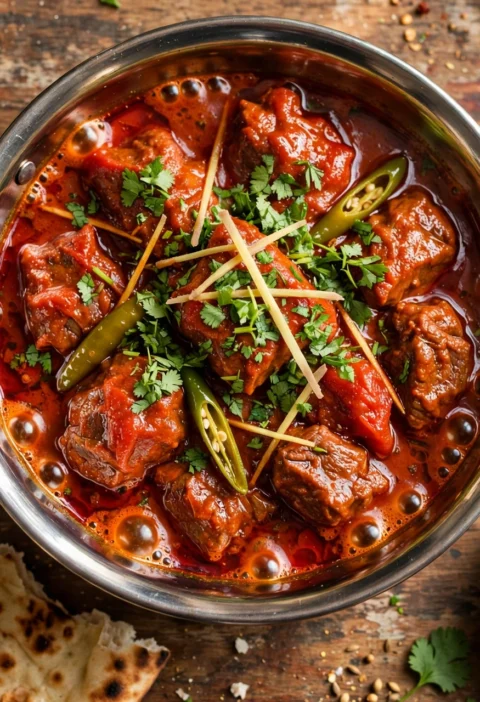
Beef biryani was the Friday pot at my aunt’s house in Karachi, and it ran on a strict family law: whoever arrived after the second serving announcement ate whatever the deg had left, which was usually rice and one heroic potato. My cousins treated that pot like a starting line. I have lived in a few cities since, and I have eaten biryani in most of them, but the one I measure everything against is still hers — dark, beefy, unapologetically rich, with potatoes that had soaked up the masala until they were almost meat themselves. This beef biryani recipe is my attempt to get her pot onto my own stove, written down properly instead of guarded like a family secret.
Beef is the hardest biryani meat to get right, and my early attempts proved it in every direction. I layered half-cooked beef over rice and let the dum “finish” it — it finished nothing, and we chewed like it was exercise. I used a lean, tidy cut that looked virtuous at the butcher, and it dried into stringy knots. I hurried the braise because the guests were hungry, and hungry guests got punished with tough meat and my apologies. The lessons behind this beef biryani recipe were all about patience: beef has to be completely, surrenderingly tender before it ever meets rice, and the fat and collagen in a humble cut are not flaws to trim away — they are the flavor the rice is waiting to catch.
Why This Beef Biryani Recipe Works
Chicken forgives a biryani cook almost anything; beef forgives nothing and rewards everything. This beef biryani recipe is built around the five things beef actually demands:
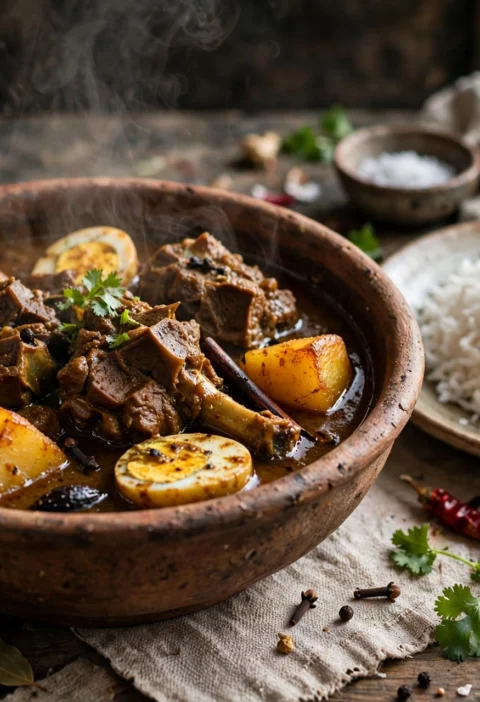
- The cut is chuck or shoulder — marbled, hardworking, proud of it. Beef biryani lives or dies on collagen. A well-exercised shoulder cut is threaded with fat and connective tissue that melt during a long braise into gelatin, and that gelatin is what coats the rice grains and makes the whole pot taste expensive. Lean round or sirloin has nothing to give up, so it gives up nothing, and stays dry no matter how politely you cook it.
- The beef is cooked to full tenderness before layering — no exceptions. Twenty minutes of dum steam can finish rice; it cannot tenderize beef, and pretending otherwise is how biryani gets its bad reputation at home. Here the meat braises in its masala for the better part of an hour, until a piece gives way under a spoon. Only then does rice enter the conversation.
- The browning happens first, and it happens properly. Beef cubes seared in hot oil until their edges catch and darken build the deep, roasted base notes that separate a great pot from a boiled one. Crowd the pan and the meat steams grey instead — so we brown in batches and let the fond dissolve into the onions later.
- The potatoes cook in the beef masala, not beside it. Karachi puts potatoes in biryani, and the Karachi way is to let them braise in the meat’s juices once the beef is nearly done, so they absorb beef fat, chili, and spice to their centers. A potato that arrives pre-boiled from a side pot tastes like a visitor. One that finishes in the deg tastes like family.
- The dried plums bring the tang beef needs. Rich meat and rich rice can flatten each other out; aloo bukhara, soaked until plump, melt into the layers during dum and leave little pockets of sweet sourness that reset your palate between bites. It is the quiet Karachi signature, and once you have had it in a beef pot, plain feels unfinished.
Ingredients
Serves 6-8
For the beef marinade:
- 2 1/2 lbs (1.1 kg) beef chuck or shoulder, cut into 2-inch chunks (a few bone-in pieces are welcome)
- 1 cup (240g) plain yogurt, whisked until loose
- 2 tablespoons ginger-garlic paste
- 1 tablespoon lemon juice
- 2 teaspoons red chili powder
- 2 teaspoons ground coriander (dhaniya)
- 1 teaspoon turmeric powder (haldi)
- 2 teaspoons salt
For the masala:
- 1/2 cup (120 ml) neutral oil, plus 2 tablespoons ghee if you like
- 3 large yellow onions (about 450g), sliced thin
- 3 ripe tomatoes (about 300g), roughly chopped
- 3 medium potatoes (about 450g), peeled and quartered
- 10 dried plums (aloo bukhara), soaked in warm water for 20 minutes and drained
- 2 black cardamom pods, 4 green cardamom pods, 4 cloves, 1 cinnamon stick, 2 bay leaves
- 4-6 fresh green chilies, left whole or slit
- 1 teaspoon garam masala
- 1 1/2 to 2 cups hot water, for the braise
For the rice and layers:
- 3 1/2 cups (700g) basmati rice, soaked for 30 minutes and drained
- 1 tablespoon salt, for salting the rice pot generously
- 4 green cardamom pods, 1 bay leaf, 1 teaspoon cumin seeds — for the rice water
- Big pinch of saffron threads, steeped in 1/3 cup hot milk (or 1/2 teaspoon orange food color in 1/3 cup water)
- 3/4 cup crisp fried onions (birista)
- 1/2 cup mint leaves and 1/2 cup coriander leaves, roughly chopped
- 2 tablespoons ghee, warmed until liquid
- 1 lemon, cut into thin rounds
Two things carry this dish’s identity. The layered, steam-finished construction is what defines a biryani wherever it is cooked — separate components, brought together only at the end so the rice stays distinct. And the rice itself has to be true basmati: aged, long-grained, and fragrant, because a shorter grain collapses under a heavy beef masala and turns the whole pot dense. With beef this rich, the grain needs all the length it can get.
How to Make This Beef Biryani Recipe – Step by Step
Step 1: Marinate the beef.
Stir the yogurt, ginger-garlic paste, lemon juice, chili powder, coriander, turmeric, and salt into a loose paste, then turn the beef chunks through it until every surface is coated. Cover and refrigerate for at least 2 hours; overnight is better, because yogurt works slowly and beef has nowhere to be. Bring the bowl out half an hour before cooking — fridge-cold meat sears badly.
Step 2: Brown the beef and build the masala.
Heat the oil in a large, heavy pot over high heat and brown the beef in two batches, a few minutes per side, until the pieces carry dark, crusty edges. Lift them out. Drop the sliced onions into the same oil and fry for 12 to 15 minutes, scraping up the browned bits as they soften, until the onions are a deep golden color. Set aside a third of the onions for the layers. Return the beef with all its marinade, add the tomatoes and the whole spices, and cook for 8 to 10 minutes until the tomatoes slump and the oil begins to glisten at the edges.
Step 3: Braise low and slow until the beef surrenders.
Pour in enough hot water to come two-thirds of the way up the meat, cover, and drop the heat to its lowest steady simmer. Braise for 50 to 60 minutes, checking twice and topping up with a splash of water if the pot looks dry — you want tenderness, not soup. The beef is ready when a chunk splits apart under the gentle pressure of a spoon. Now stir in the potato quarters and the drained plums, cover again, and give them 12 to 15 minutes in the masala until the potatoes are just tender at the center. Sprinkle in the garam masala and green chilies, and keep the masala slightly loose: a ladle of gravy in the base is what the rice will drink during this beef biryani recipe’s dum.
Step 4: Parboil the rice.
While the potatoes finish, bring a big pot of water to a hard boil with the tablespoon of salt and the rice spices. Slide in the drained rice and boil for 5 to 6 minutes, tasting as you go — pull it when a grain is pliable at the ends but still firm and slightly chalky in the middle, about seventy percent of the way there. Drain at once into a colander and let the steam escape for a minute.
Step 5: Layer, seal, and dum.
Spoon half the rice across the beef masala in its own pot. Scatter over half the reserved fried onions, half the herbs, and a few lemon rounds. Add the remaining rice, then the rest of the onions and herbs, and streak the saffron milk across the top in wide stripes. Finish with the warmed ghee drizzled over everything. Seal the lid with a folded towel beneath it or a ring of dough if it rattles, set the pot over high heat for 4 to 5 minutes until steam pushes at the edges, then lower the flame to its minimum and dum for 25 minutes. Rest the sealed pot for 10 minutes off the heat. Open it at the table, and serve by cutting down one side with a wide spoon and folding portions up from the bottom, so beef, potato, and both colors of rice land together on every plate.
Serving Suggestions
A pot this rich asks for cool, plain company: a bowl of raita made from yogurt, salt, and roasted cumin — nothing more — and a rough salad of onion rings, cucumber, and tomato with lemon squeezed over. Keep the extras humble and let the beef be the loudest thing at the table. In Karachi the pot goes straight to the center of the dastarkhwan and nobody plates in the kitchen; second helpings are assumed, third helpings are negotiated around the last potato.
If the beef mood continues into the week, my beef pulao is the gentler weekday relative — yakhni-simmered rice without the layering ceremony. And for the full family comparison, put this beef biryani recipe next to my chicken biryani sometime: same architecture, completely different temperament, and an argument at the table about which one wins that has run in my family for years without a verdict.
Storage and Reheating
Biryani is famously better on the second day, and this one is no exception — the rice keeps drinking the masala overnight and the beef relaxes further. Refrigerate in a sealed container for up to 3 days. Reheat a portion with a tablespoon of water sprinkled over it, covered, either in a low oven or in the microwave until steam pushes through; the added moisture wakes the grains back up. It freezes well for up to 2 months if you leave the potatoes out of the frozen batch (they go grainy), and thaws overnight in the fridge.
Frequently Asked Questions
Which cut of beef is best for this beef biryani recipe?
Chuck or shoulder, every time. These cuts carry the fat and collagen that melt into gelatin over a long braise, which is what makes the meat tender and the rice taste rich. Avoid lean stewing cuts and anything sold as “stir-fry beef” — they tighten and dry instead of softening, and no amount of masala fixes a dry cube.
Why is my beef still chewy after an hour?
Almost always one of two things: the simmer ran too hot, which seizes beef fibers instead of relaxing them, or the cut was leaner than it looked. Keep the braise at a bare, lazy bubble, and if the meat still resists at the hour mark, simply give it more time — another 20 minutes at a gentle heat rescues most pots. Slicing one chunk open tells you more than any timer.
Can I use a pressure cooker or Instant Pot for the beef?
Yes, and it is a sensible weeknight move: pressure-cook the marinated beef with the masala for 25 to 30 minutes, let the pressure fall naturally, then open the lid and reduce the gravy on high heat until it thickens and the oil shows. Add the potatoes after releasing pressure and simmer them through in the open pot — potatoes cooked the full time under pressure come out shapeless.
Boneless or bone-in — does it matter?
Boneless chunks are easier to serve and eat, and this recipe is written for them. A few bone-in pieces in the mix, though, quietly deepen the masala — Karachi cooks have always thrown some in. Just warn your guests and let them enjoy fishing for them. Either way, keep the chunks large, because small cubes dry out during a long braise.
Recipe Summary
- Prep time: 30 minutes (plus at least 2 hours of marinating)
- Cook time: 1 hour 35 minutes
- Total time: About 2 hours 5 minutes, plus marinating
- Servings: 6-8
- Cuisine: Pakistani (Karachi-style)
- Course: Main