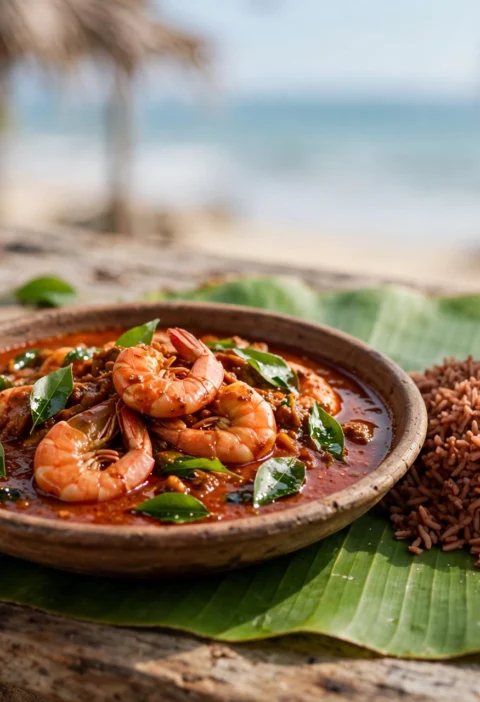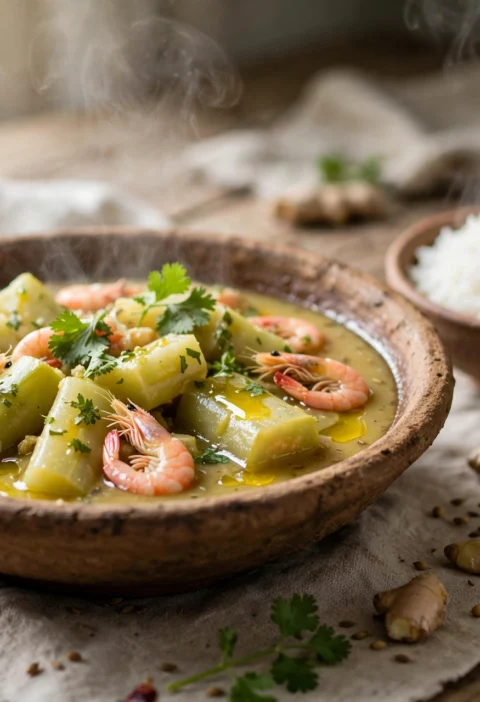
The first time someone served me fish biryani in Karachi, I was quietly skeptical. Biryani, to my Lahore-raised mind, was chicken or beef — fish felt like it would vanish into the rice or fall apart in the layering and turn the whole pot into a spicy porridge. Then the cook lifted the lid, slid a flat spatula down the side of the handi, and brought up a serving with a whole piece of fish riding on top of saffron-stained rice like it had been placed there for the photograph. One bite ended the argument. This fish biryani recipe is my version of that Karachi pot: properly spiced, properly layered, with the fish intact and proud of it.
Getting there took me three failed pots. In the first, I layered raw fish and it steamed into mush between the rice. In the second, I treated it gently but seasoned it timidly, and the fish tasted like a guest who hadn’t been introduced to the masala. The breakthrough was borrowing from my curry cooking: marinate the fish hard, sear it briefly so it has a skin, finish the biryani masala completely, and only then let fish and rice meet — for the dum, and not a minute before. Once that order was fixed, this fish biryani recipe started coming out of the pot in clean, fragrant layers every single time.
Why This Fish Biryani Recipe Works
Fish biryani fails when the fish disintegrates, when the rice turns gluey, or when the two taste like strangers sharing a pot. This fish biryani recipe is built around preventing exactly those three outcomes:
- The fish is marinated and seared before layering — never layered raw. Raw fish steaming between hot rice layers cooks unevenly and sheds its flesh into the grains. A spiced marinade plus a brief sear gives each piece a seasoned, set surface that survives the dum and comes out whole. This single step is the difference between this method and the porridge I made in Karachi’s honor the first time.
- The biryani masala is finished completely on its own. Onions, tomatoes, and yogurt are cooked down to a thick, oil-glistening gravy before any layering begins. The rice and fish therefore steam in aroma rather than raw masala moisture, which is what makes biryani taste biryani instead of rice stirred into curry.
- The rice stops at seventy percent. Basmati parboiled until it still has a firm, chalky core finishes cooking in the dum by absorbing the masala’s steam — picking up flavor as it goes. Rice cooked fully before layering has nowhere to go but mush, so pull it early and let the pot finish the job.
- The layers are assembled gently and never mixed. Fish goes between rice layers with a light hand, and the finished biryani is served by sliding a spatula down the side of the pot, lifting layers out intact. Stirring a biryani is how you break fish and blend away the white-and-gold marbling that makes each serving beautiful.
- The dum is low, sealed, and patient. Twenty-five minutes on the gentlest heat, lid sealed, lets the saffron, fried onion, and fish masala perfume every grain without a single direct flame toughening the fish. Opening early to peek releases the steam that is doing the work.
Ingredients
Serves 6
For the fish:
- 1 1/2 lbs (700g) firm fish steaks or thick fillets (rohu, cod, halibut, or sea bass), in large pieces
- 1 teaspoon salt
- 1 teaspoon red chili powder
- 1 teaspoon turmeric powder (haldi)
- 1 tablespoon lemon juice
- 3 tablespoons oil, for the sear
For the biryani masala:
- 1/3 cup (80 ml) oil or ghee
- 2 large onions (about 300g), thinly sliced
- 1 tablespoon ginger-garlic paste
- 3 medium tomatoes (about 350g), chopped
- 3/4 cup (180g) plain yogurt, whisked smooth
- 2 teaspoons ground coriander (dhaniya)
- 1 1/2 teaspoons red chili powder
- 1/2 teaspoon turmeric powder
- 1 teaspoon garam masala
- 1 1/2 teaspoons salt, or to taste
- 4-5 green chilies, slit
- 1/4 cup fresh mint leaves, roughly torn
- 1/2 cup fresh coriander leaves and tender stems, chopped
- Juice of 1/2 lemon
For the rice and layering:
- 3 cups (600g) basmati rice, rinsed and soaked for 30 minutes
- 1 bay leaf, 4 green cardamom pods, 4 cloves, 1 cinnamon stick, 1 teaspoon cumin seeds
- 1 tablespoon salt, for the rice water
- A generous pinch of saffron threads, bloomed in 1/4 cup warm milk (kitchen shortcut: 1/2 teaspoon yellow food color whisked into 1/4 cup water)
- 1/2 cup crispy fried onions (birista), store-bought or homemade
- 2 tablespoons ghee, melted
- Lemon wedges and extra herbs, for serving
A note on the architecture: a layered biryani is really three finished components — seasoned protein, cooked masala, parboiled rice — steamed together so their flavors marry without merging. Fish simply demands more respect in the process than chicken does. The golden color on top comes from saffron bloomed in warm milk; a few threads give you perfume as well as color, which is why Karachi cooks guard their saffron like jewelry and good biryani cooks use it the same way.
How to Make This Fish Biryani Recipe – Step by Step
Step 1: Marinate and sear the fish.
Pat the fish pieces dry and rub them with the lemon juice, turmeric, red chili powder, and salt. Rest for 20 to 30 minutes. Heat the 3 tablespoons of oil in a wide pan over medium-high heat and sear the pieces for about 2 minutes per side, until a light golden crust forms — the centers stay raw, and that is correct. Set the fish aside on a plate. This crust is the armor that carries the fish through the dum intact.
Step 2: Cook the biryani masala to completion.
In a large, heavy pot, heat the oil or ghee and fry the sliced onions for 12 to 15 minutes until deep golden brown — proper biryani onions take time and pay it back in sweetness. Add the ginger-garlic paste and stir for a minute, then add the tomatoes, ground coriander, red chili powder, turmeric, garam masala, and salt. Cook 10 to 12 minutes until thick and glossy with oil at the edges. Lower the heat, whisk in the yogurt gradually, and simmer 5 more minutes. Stir in the green chilies, half the coriander and mint, and the lemon juice. The masala should be thick enough to coat a spoon heavily — it gets no further cooking to reduce.
Step 3: Parboil the rice to seventy percent.
Fill a big pot with water, add the whole spices and the tablespoon of salt, and bring it to a fierce boil. Tip in the drained, soaked rice. Boil for 5 to 6 minutes, testing grains from minute four: a grain should snap between your fingers with a small firm, white core still visible in the center. Drain immediately in a colander. Spread the rice loosely so it stops steaming itself soft while you assemble the layers — minutes matter here, and the texture is decided in this step more than any other.
Step 4: Layer the biryani.
Work in the same heavy pot the masala cooked in, which saves washing and keeps the flavors. Spread half the masala over the base. Cover with half the rice, spread evenly without pressing down. Arrange every piece of seared fish in a single layer over the rice — this is its one layer, placed deliberately — then spoon the remaining masala over and around the fish. Finish with the rest of the rice. Drizzle the saffron milk in a spiral, scatter the remaining coriander and mint and the fried onions over the top, and dot with the melted ghee.
Step 5: Dum, rest, and serve from the side.
Set a tight lid on the pot — if yours wobbles, trap a folded tea towel beneath it or seal the rim with a rope of dough. Put the pot over high heat for 3 minutes until you hear the first whisper of steam, then drop the heat to the lowest setting (a heat diffuser or tawa under the pot helps) and dum for 25 minutes. Take it off the heat and rest, still sealed, for 10 minutes. To serve, open the lid at the table for the full effect, then slide a flat spatula or wide spoon down the inside wall of the pot and lift servings up from the bottom, so each plate gets white rice, gold rice, masala, and a whole piece of fish on top.
Serving Suggestions
Fish biryani wants the classic biryani table: a bowl of mint raita for cooling spoonfuls between bites, a simple salad of sliced onion, cucumber, and lemon, and extra lemon wedges because fish and lemon belong together at every opportunity. Serve it straight from the handi if you can — the pot on the table, the layers visible, everyone taking their serving from a different corner, is half the pleasure of the dish.
If you love the layered style but want to compare coasts of flavor, my sindhi biryani is the fiery, aloo-bukhara-spiked cousin to this Karachi-style pot, and my chicken biryani follows the same layering method with poultry. And on days when you want the fish without the rice ceremony, the same marinade and masala logic becomes my fish curry — spoon it over plain steamed rice and the family will never guess it was the shortcut.
Storage and Reheating
Leftover fish biryani keeps in the refrigerator for up to 2 days in a sealed container — fish sets the deadline here, not the rice. Reheat individual portions in the microwave sprinkled with a teaspoon of water and covered, which steams the rice back to life; for a larger amount, warm the whole pot in a low oven (300°F / 150°C) for about 20 minutes, still covered. Expect the fish to be a little firmer the second day — reheated gently, it stays pleasant, but this fish biryani recipe is at its undeniable peak in the first hour after the dum, which is why it is a serve-it-now kind of dish in my house.
Frequently Asked Questions
Which fish is best for a fish biryani recipe?
Firm, thick pieces that can hold a sear: rohu and singhara are the traditional Karachi choices, and cod, halibut, sea bass, and mahi mahi all work well in US stores. Cut the pieces large — small chunks get lost in the rice and overcook. Avoid delicate fish like sole, and avoid very oily fish, whose flavor bullies the saffron and spices.
Why does the fish break apart in my biryani?
Because it went in raw, or it was moved after layering. Raw fish has no structure against twenty-five minutes of steam and the weight of rice; searing gives it a set surface that holds. After that, the discipline is in the serving: spatula down the side of the pot, lift from the bottom, never dig or stir. In this fish biryani recipe the fish sits in one deliberate layer, which makes intact servings easy to lift.
Can I use frozen fish for biryani?
Yes — thaw it fully in the refrigerator overnight, then pat it extremely dry before marinating. Frozen fish carries surface water that will prevent a proper sear and thin out your masala from inside the layers. Dried and seared well, thawed cod or halibut gives a result most guests cannot distinguish from fresh.
Can I skip frying the onions and use store-bought birista?
Happily — good store-bought fried onions are one of the honest shortcuts in biryani, and Karachi home cooks use them all the time. You will still fry fresh sliced onions as the base of the masala here; the packaged birista is for scattering between and over the layers, where its crisp sweetness is doing garnish work.
Recipe Summary
- Prep time: 30 minutes (plus 30 minutes soaking and marinating)
- Cook time: 50 minutes
- Total time: About 1 hour 15 minutes, plus the soaking and marinating
- Servings: 6
- Cuisine: Pakistani (Karachi-style)
- Course: Main