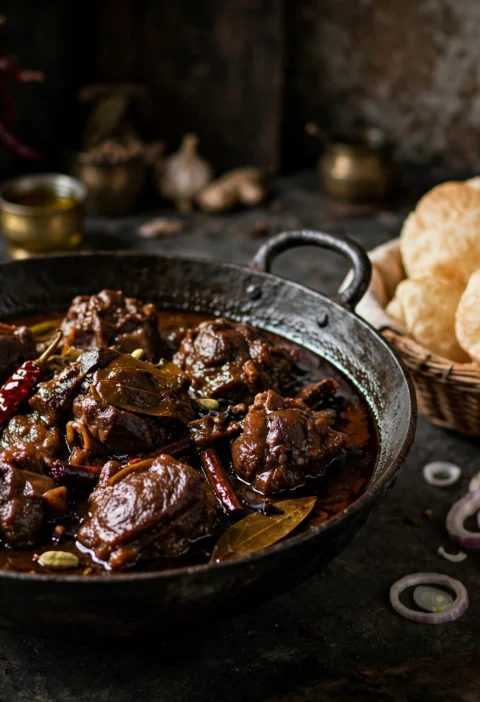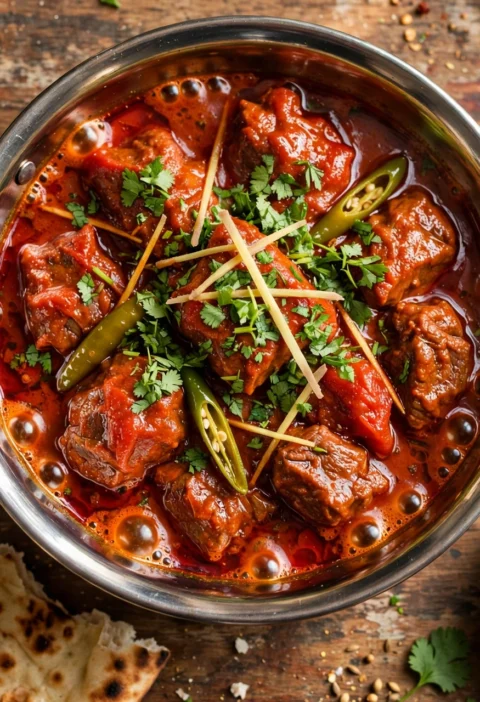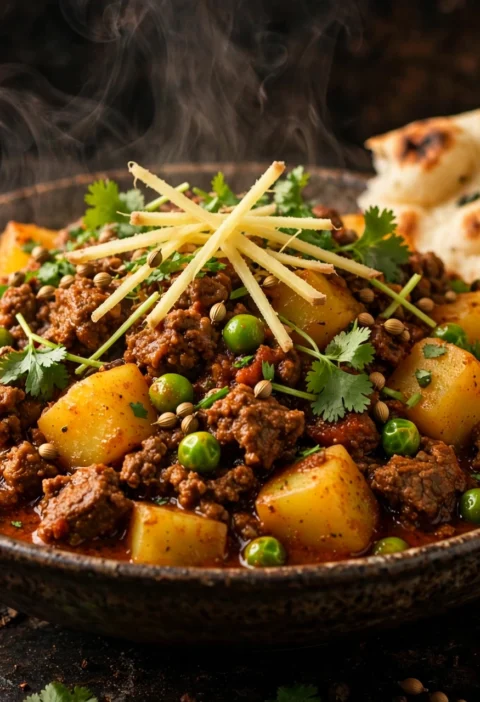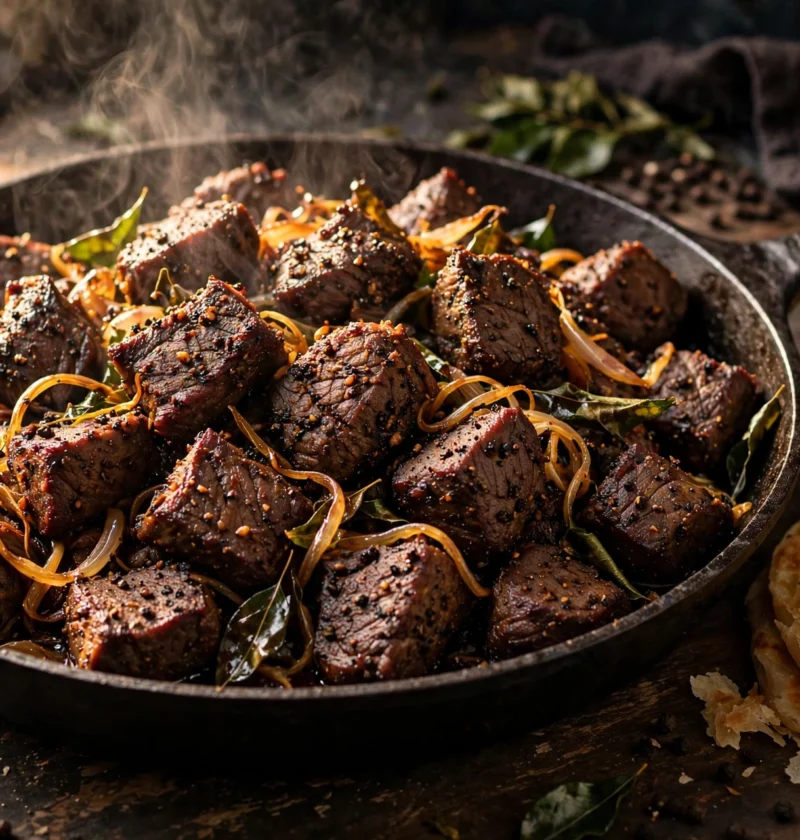
The first time I ate beef the Kerala way, it was not in anybody’s home. It was at a small hotel — the South Indian kind of hotel, meaning a busy little eatery — near the bus stand in Ernakulam, where a college friend from Palakkad ordered for both of us without once looking at the menu. What arrived was a steel plate of beef fry and two flaky porottas: no gravy, no shine of sauce, just dark, almost blackened chunks of beef smelling fiercely of pepper. One bite taught me two things — black pepper heat is slower and deeper than any chilli’s, and beef cooked completely dry can out-flavour beef drowning in masala. This beef pepper fry recipe is my years-long attempt to rebuild that steel plate in my own kitchen.
My first attempts were embarrassing. I threw raw beef cubes into a hot pan with pepper and got exactly what that method deserves: grey, chewy meat swimming in thin, watery juices. A homesick regular eventually took pity and explained the real architecture of the dish. The beef is cooked twice. First it simmers with turmeric in its own juices until it is completely tender. Only then is it fried — hard and patiently, with crushed black pepper, curry leaves, fennel and shallots — until every drop of moisture is gone and the edges turn dark and almost crisp. This beef pepper fry recipe follows that two-stage rule without shortcuts, because the shortcuts are precisely what ruin it.
Why This Beef Pepper Fry Recipe Works
A dry fry forgives nothing — there is no sauce to hide behind — so the whole dish rests on technique. The version below is built on five habits I learned the slow way:
- The beef is cooked twice, and the order is everything. Pressure-cooking first, in little more than its own juices and turmeric, gives a tenderness no amount of direct frying can produce. The fry then has one job only — darkness and crust — because the inside is already done.
- The pepper is crushed coarse, never ground fine. Fine powder dissolves into a flat, dusty heat. Coarse shards cling to the meat instead, so every bite carries real pepper crunch and fire. I crush mine in a mortar moments before the pan, and the difference from the pre-ground tin is not subtle.
- Half the pepper goes in early, half at the very end. The first half fries into the oil and seasons the beef all the way through; the second half keeps its raw, nose-tingling fire, the way the eateries serve it. A single addition cannot do both jobs.
- The pan finishes completely dry. Any liquid left at the end means the beef steamed instead of frying. The last minutes are spent scraping and tossing while the final moisture hisses away — that dry sizzle is the sound of this dish announcing it is ready.
- Shallots, curry leaves and fennel do the quiet work. Shallots fry sweeter and faster than onions, curry leaves crisp into something close to a herb chip, and a little crushed fennel sits behind the pepper like a bass note. Skip any of the three and the plate tastes noticeably flatter.
Ingredients for This Beef Pepper Fry Recipe
Kerala is where black pepper grew up — the Malabar Coast shipped it to a hungry world for centuries — so it surprises nobody that this dish is built around pepper used by the tablespoon, not the pinch. Read up on black pepper and you will find it was once worth nearly its weight in gold; here it is simply the main ingredient, crushed coarse so it clings to the meat. Its partner is the curry leaf, from the Murraya koenigii tree, fried in coconut oil until it turns crisp and intensely aromatic — dried leaves are a sorry stand-in, so buy fresh or frozen if you can. Everything else in this beef pepper fry recipe is support: beef with some fat on it, shallots, fennel, turmeric, and patience.
For pre-cooking the beef
- 2 pounds (900 g) beef chuck or stewing beef, cut into 1-inch (2.5 cm) cubes
- 1 teaspoon ground turmeric
- 1 teaspoon fine sea salt
- 1 tablespoon ginger-garlic paste
- 2 green chilies, slit lengthways
- 1/4 cup (60 ml) water
For the pepper fry
- 3 tablespoons coconut oil (a neutral oil works, but coconut is the Kerala way)
- 1 teaspoon mustard seeds
- 2 tablespoons whole black peppercorns, coarsely crushed — divided
- 1 teaspoon fennel seeds, lightly crushed
- 20 to 25 fresh curry leaves (about 2 generous sprigs), plus a few extra to finish
- 1 1/2 cups (225 g) shallots, thinly sliced — about 10 to 12 shallots, or 2 medium red onions
- 4 garlic cloves, thinly sliced
- 1 tablespoon fresh ginger, cut into thin matchsticks
- 1/2 teaspoon red chili powder (optional, more for colour than heat)
- Fine sea salt, to finish
- Lemon wedges, to serve
How to Make This Beef Pepper Fry Recipe – Step by Step
Step 1: Pressure-cook the beef in its own juices. Combine the beef cubes, turmeric, salt, ginger-garlic paste, green chilies and the water in a pressure cooker. Cook on high pressure for 20 to 25 minutes — about 5 whistles on a stovetop cooker — until a cube feels tender when squeezed between your fingers but still holds its shape. Let the pressure fall naturally for 10 minutes before opening. Keep every drop of the cooking liquid; that is concentrated beef flavour, not waste. No pressure cooker? The FAQ below has you covered.
Step 2: Dry the beef down before it fries. Tip the beef and all its liquid into a wide pan and boil, uncovered, over medium-high heat, stirring now and then, until the liquid shrinks to a few spoonfuls that coat the cubes like a glaze — 8 to 10 minutes. This step feels fussy and is anything but: beef that enters the fry wet will steam, spit and flatly refuse to brown. You want the cubes moist and glistening, never swimming.
Step 3: Build the fry — coconut oil, mustard seeds, shallots. Warm the coconut oil in a broad, heavy kadai set over medium heat. When a faint shimmer starts moving across the surface, tip in the mustard seeds; once they pop and dance, about 30 seconds, scatter in the curry leaves — stand back, they crackle — then add the shallots with a pinch of salt. Fry, stirring often, for 8 to 10 minutes, until the shallots turn deep golden at the edges and properly sweet. Add the sliced garlic and ginger matchsticks and give them 1 minute more.
Step 4: Fry the beef down, dark and dry. Add the beef with its reduced juices, the crushed fennel and the first half of the crushed pepper. Raise the heat to medium-high and fry for 10 to 12 minutes, tossing and scraping the bottom of the pan so the browned bits rejoin the meat instead of burning. Early on it will look moist; keep going. The beef should end a deep mahogany, dry in the pan, with edges that have caught and crisped in places. If it threatens to catch too fast in the first minutes, one spoon of water buys you time — then let it dry out again.
Step 5: Finish with the second pepper hit and serve it hot. Take the pan off the heat. Scatter over the remaining crushed pepper, the extra curry leaves and the chili powder if you are using it, and toss for 30 seconds in the residual heat — this last pepper stays raw and fiery instead of mellowing into the fry. Rest the dish for 5 minutes while the crust settles, then serve it straight from the pan with lemon wedges; that final, uncooked hit of pepper is the signature of the plate I ate in Ernakulam.
Serving Suggestions
Serve it the way it was served to me: piled onto a plate or back into the pan, with something soft and flaky to drag through the peppery oil — Kerala porotta if you can get it, our own flaky parathas if you cannot, appam or plain chapatis after that. It is equally happy next to steamed rice with a thin dal or a bowl of rasam to spoon alongside, and a little heap of sliced raw onion and lemon wedges on the table is not garnish, it is equipment. In our house it often arrives as the dry, fiery counterpoint at a dawat, sitting between two gravies and quietly stealing the evening.
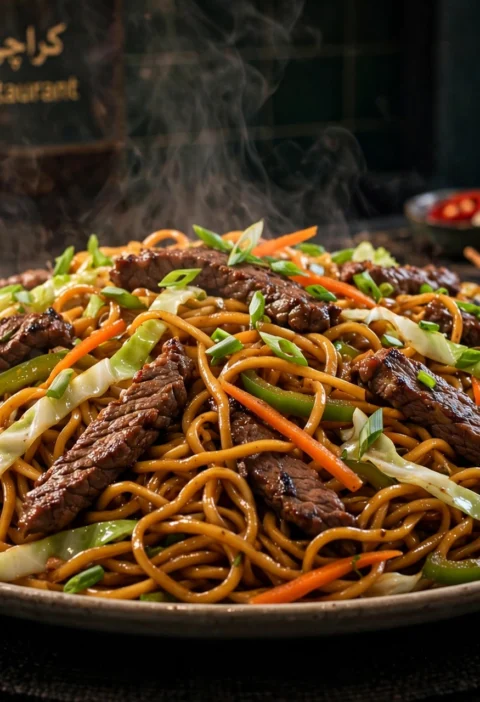
Its closest relative on this site is my pepper chicken — the same crushed-black-pepper fire, but built on chicken: quicker, lighter, the weeknight version of the idea, where this beef build is the slower, deeper weekend one. And it could not sit further from my Mongolian beef, where the beef strips wear a sweet, glossy, sticky sauce designed to be spooned over rice. Here there is no sauce at all, and that is entirely deliberate — the plate should reach the table dry, dark and pepper-flecked, and the only shine on it comes from coconut oil, never from a glaze.
Storage and Reheating
Leftovers keep happily for 3 to 4 days in the fridge, sealed in a box — honestly, this is one of those rare dishes that tastes better the next afternoon, once the pepper has had a night to move in properly. Reheat it the way it was cooked: a dry, hot pan and a few tossing minutes, until the edges wake up again. The microwave will fill the kitchen with pepper fumes and soften every crisp edge you worked for. It freezes beautifully for a couple of months, too; thaw it slowly in the fridge overnight, then toss it through a hot, dry pan so the edges come back before serving. One honest warning: curry leaves lose their crispness in storage no matter what you do, so a few fresh ones flashed in hot oil over the reheated dish bring it convincingly back to life.
Frequently Asked Questions
I don’t have a pressure cooker. Can I still make this?
Yes — the pressure cooker is a shortcut, not the soul of the dish. Simmer the beef, covered, in a heavy pot with the same seasonings and about 1 1/2 cups (360 ml) water for 1 1/2 to 2 hours, topping up as needed, until it is properly tender; then carry on from Step 2, reducing whatever liquid remains. An Instant Pot does the same job in 25 minutes at high pressure with a 10-minute natural release.
Which cut of beef works best?
Chuck, or any stewing cut with fat and connective tissue running through it — that is what melts into tenderness during the first cook and fries up rich in the second. Lean, expensive cuts are wasted here and often turn dry and stringy; a beef pepper fry recipe was built on humble meat treated patiently. Whatever you buy, cut the cubes evenly at about an inch, so everything finishes at the same time.
How do I control the heat? My family finds pepper fierce.
Cut the peppercorns down to 1 tablespoon and skip the final raw addition; you will keep the deep pepper flavour at about half the fire. Crushing the pepper coarser helps too — bigger shards bite less per mouthful than fine dust does. And crush it fresh from whole peppercorns: pepper from a tin that has sat open for a year is mostly dust and disappointment, its aroma long gone.
Why did my beef come out wet and chewy instead of dark and dry?
Almost always one of two things. Either the beef rushed its first cook, so it was still tight and stubborn when the frying began — no fry can rescue undercooked stewing beef. Or too much liquid travelled into the fry, so the meat steamed in its own juices instead of browning. Reduce properly in Step 2, fry in a wide pan so the moisture can escape, and if you have doubled the batch, fry it in two lots rather than crowding everything in at once.
Recipe Summary
- Prep time: 20 minutes
- Cook time: 55 minutes
- Total time: About 1 hour 15 minutes
- Servings: 4
- Cuisine: Pakistani
- Course: Main Course