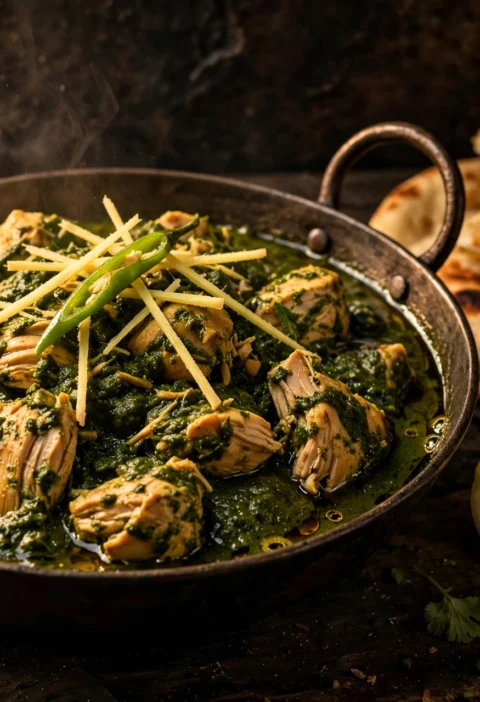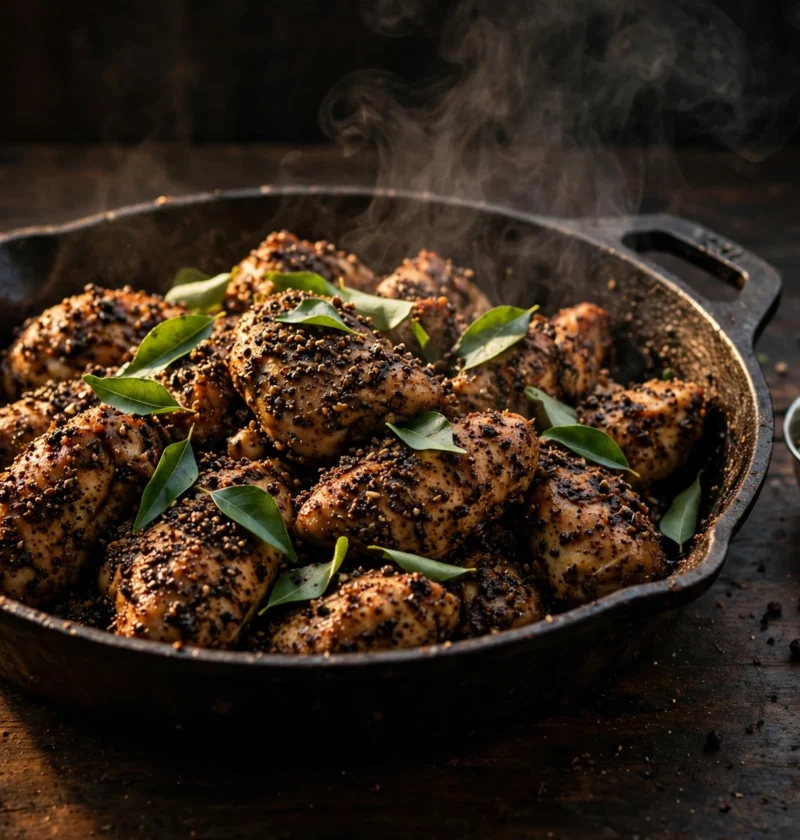
The first time I made this pepper chicken recipe at home, my younger brother stood in the kitchen doorway, eyes watering, and asked if I had set something on fire. I had not. That sharp, nose-tingling cloud was just two heaped tablespoons of black pepper hitting hot oil with curry leaves, and honestly, that moment is the whole dish in miniature. Pepper chicken is not shy food. It announces itself before the plate even reaches the table, and anyone who loves bold, dry, spice-crusted chicken will understand within one bite why I keep coming back to it.
I learned my version from a friend’s father who grew up eating Chettinad-style food and who treated powdered pepper like a personal insult. He crushed his peppercorns in a heavy mortar, never more than ten minutes before cooking, and he fried the chicken hard and dry instead of drowning it in gravy. My pepper chicken recipe follows his rules closely, with a few small adjustments from my own kitchen in Lahore, where fennel seed and a squeeze of lemon at the end have become non-negotiable for me. There is no cream, no tomato flood, no long simmer. Just chicken, pepper, and heat, handled with a little patience.
Why This Pepper Chicken Recipe Works
Plenty of versions online end up either bland or bitter, and after many pans of trial and error, I have figured out exactly what separates a forgettable attempt from the pepper chicken recipe I now trust completely:
- Pepper goes in twice. Half the crushed pepper blooms in the hot oil at the start so its flavour soaks into the chicken, and the rest lands near the end so the final bite still crackles with fresh, sharp heat.
- The masala stays dry. In a proper pepper chicken recipe, very little water ever touches the pan, so the spices cling to the chicken in a dark, rough coating instead of sliding off into a thin sauce.
- Fennel balances the fire. A teaspoon of fennel seed, lightly crushed, brings a gentle sweetness underneath the pepper, which keeps the heat interesting rather than one-note and harsh.
- High heat, undisturbed minutes. Letting the chicken sit in the hot pan without constant stirring gives you those browned, almost crisp edges that make a dry fry taste roasted, not steamed.
- Curry leaves fry, not wilt. In my pepper chicken recipe they hit hot oil until crisp, flavouring every piece, and their slightly citrusy aroma lifts the whole pan.
Ingredients for This Pepper Chicken Recipe
The soul of any pepper chicken recipe is, unsurprisingly, the pepper itself. Black pepper was once traded like currency along the Malabar Coast, and in Chettinad cuisine it remains the headline spice rather than a background seasoning. Buy whole peppercorns if you possibly can. The rest of the list is short and familiar, and I have grouped it the way I lay things out on my counter before I start, because this dish moves fast once the pan is hot.
For the chicken
- 2 pounds bone-in chicken pieces, skin removed and cut into medium chunks (about 900 g)
- 1 tablespoon lemon juice, freshly squeezed
- 1 tablespoon ginger-garlic paste
- 1 teaspoon fine sea salt, plus extra at the end if needed
- 1/2 teaspoon turmeric powder
For the pepper masala
- 2 tablespoons whole black peppercorns, coarsely crushed
- 1 teaspoon fennel seeds, lightly crushed
- 1 teaspoon cumin seeds
- 1 tablespoon coriander powder
- 1/2 teaspoon garam masala
- 1/2 teaspoon red chili flakes (optional, for colour and extra warmth)
For the fry
- 3 tablespoons oil (mustard oil if you like its punch, otherwise any neutral oil)
- 2 medium onions, thinly sliced
- 18 to 20 fresh curry leaves
- 3 green chilies, slit lengthwise
- 2 tablespoons water, only if needed
- Fresh cilantro leaves and lemon wedges, to finish
A note on the chicken: bone-in pieces give this pepper chicken recipe its deepest flavour, because the bones season the masala as it fries. Boneless thighs work well too and cook a few minutes faster. I would avoid breast alone here, since the dry, high-heat cooking can toughen it before the coating properly darkens. Whatever you choose, pat the pieces dry. Wet chicken steams, and steaming kills the crackling finish.
How to Make This Pepper Chicken Recipe
Step 1: Marinate the chicken briefly. Toss the chicken pieces with turmeric, salt, lemon juice, and ginger-garlic paste in a large bowl, coating every piece properly. Leave it on the counter for about half an hour, or cover and chill it for as long as 4 hours if you are prepping ahead. This short rest is not about tenderising so much as seasoning the meat itself, so the inside of each piece tastes like something even before the masala arrives. While the chicken rests, crush your peppercorns and fennel. I use a mortar and pestle and stop while the pieces are still coarse, closer to cracked gravel than dust. That rough texture is what gives a good pepper chicken recipe its signature crunch of heat in every mouthful.
Step 2: Bloom the whole spices. Heat the oil in a wide, heavy pan or karahi over medium-high heat until it shimmers. Add the cumin seeds and half the curry leaves, and let them sizzle for about 30 seconds until the leaves look crisp and the seeds smell nutty. Tip in all the onions, scatter a little salt over them, and cook for 7 to 8 minutes, stirring now and then, until they turn deep golden at the edges. Do not rush this part. Those onions melt into the masala base and bring a quiet sweetness the pepper needs. If they stay pale and raw, your pepper chicken recipe tastes unfinished, no matter how good your pepper is.
Step 3: Fry the chicken hard. Raise the heat slightly and add the marinated chicken in a single layer as much as your pan allows. Now walk away for 3 full minutes. Seriously, leave it alone. The pieces need unmoving contact with the hot pan to brown properly. Turn them once and give them another 3 minutes. The chicken will have released some juices by now, and that is fine. Keep cooking, stirring every couple of minutes, until most of that liquid evaporates and the oil separates and shines around the pieces, about 8 to 10 minutes in total. In my kitchen, this pepper chicken recipe always looks a little worrying at the halfway mark, wet and pale, and then it turns the corner all at once. Trust the process.
Step 4: Add the pepper masala. Lower the heat to medium and sprinkle over the coriander powder, garam masala, chili flakes if using, the crushed fennel, and half of the crushed black pepper. Stir constantly for 2 minutes so the spices fry in the oil instead of scorching on the pan floor. The colour will deepen quickly to a dark, almost chocolate brown, and the smell turns warm and woody. This is the moment a pepper chicken recipe earns its name. If the masala looks dry enough to catch, splash in a tablespoon or two of water and scrape up every browned bit from the bottom, because those bits are concentrated flavour. Cover the pan and cook on low heat for 6 to 8 minutes, until the chicken is fully cooked through and tender, reaching 165°F at the thickest piece.
Step 5: Finish with fresh pepper and curry leaves. Remove the lid and raise the heat again for the final 2 minutes, letting any last moisture fry off until the coating looks dry and clings tightly to the chicken. Scatter over the remaining crushed pepper, the rest of the curry leaves, and the slit green chilies, and toss everything together for 30 seconds. This last addition is what makes the dish taste alive rather than flat, since pepper that fries for twenty minutes loses its bright top notes. Take the pan off the heat, shower the chicken with cilantro, and rest it for 5 minutes. Every pepper chicken recipe I have ever loved ends this way, with the lemon wedges served alongside rather than squeezed over the whole pan, so each person can brighten their own plate.
Serving Suggestions for This Pepper Chicken Recipe
Because this pepper chicken recipe is dry and intensely spiced, it loves plain, soft partners. Steamed basmati rice with a knob of butter is my weekday answer, and warm naan or rumali roti turns it into a proper sit-down meal for tearing, scooping, and chasing the last bits of masala. A simple cucumber and onion salad with lemon on the side cools the palate between bites, and plain yogurt, lightly salted, is honestly better here than any fancy raita.
If fiery South Indian chicken is your thing generally, you will also enjoy my Chicken Chettinad, which takes similar spices in a richer, gravy-based direction, and my Chicken Vindaloo, where vinegar and chilies bring a different kind of heat altogether. Serving this pepper chicken recipe alongside one milder dish, like a simple yellow daal, lets guests build their own balance of fire and comfort on the plate.
Storage and Reheating
Leftovers of this pepper chicken recipe keep surprisingly well, and some people in my house argue the next-day version is better, because the masala settles deeper into the meat overnight. Cool the chicken completely, transfer it to an airtight container, and refrigerate for up to 3 days. For longer storage, freeze it in a sealed container or freezer bag for up to 2 months, pressing out as much air as you can. The coating will soften a little in the freezer, but the flavour survives the trip honestly.
To reheat, my strong preference is a hot pan rather than the microwave. Add a teaspoon of oil to a skillet over medium-high heat, spread the chicken in a single layer, and fry for 4 to 5 minutes, turning once, until the edges crisp up again and the pieces are steaming hot throughout. A tiny splash of water at the start helps frozen chicken thaw evenly in the pan without burning the spices. If you must use the microwave, cover the plate and heat in short bursts, knowing you will trade some of that crackling texture for convenience. Either way, a fresh squeeze of lemon and a few torn curry leaves, quickly fried if you have them, wake the whole thing back up.
Frequently Asked Questions
Why crush pepper fresh instead of using powder for this pepper chicken recipe?
Pre-ground pepper loses its volatile oils quickly, and those oils carry the bright, almost floral heat that defines this dish. Freshly crushed peppercorns give you both flavour and texture: tiny coarse fragments that cling to the chicken and pop with warmth as you chew. Powder tends to taste dusty and can turn bitter over high heat. If powder is truly all you have, use it, but add it near the end of cooking and expect a gentler result from your pepper chicken recipe.
How can I control the heat without ruining the dish?
Reduce the crushed pepper to 1 tablespoon and skip the green chilies and chili flakes entirely, which brings the warmth down to a pleasant tingle. You can also stir 2 tablespoons of plain yogurt into the finished pan off the heat for a mellower coating. What I would not do is cut the pepper and then compensate with extra chili powder, because that changes the character completely. Pepper heat blooms slowly and warmly, and learning to adjust it in small steps is the real skill behind any pepper chicken recipe.
Can I make this pepper chicken recipe with boneless chicken?
Yes, boneless skinless thighs are the best substitute and stay juicy through the dry frying. Cut them into roughly 1 1/2-inch pieces so they brown before they overcook, and reduce the covered cooking time by a couple of minutes. Breast meat works in a pinch, but watch it closely and pull the pan off the heat the moment it reaches 165°F. The masala quantities stay exactly the same either way.
Why did my masala turn bitter?
Bitterness almost always means the ground spices or the pepper scorched, which happens when the pan is too hot and too dry at the moment they go in. Lower the heat before adding the masala, stir without stopping, and keep that small splash of water ready. Old peppercorns can also taste harsh rather than warm, so smell yours before crushing. Fresh ones should smell sharp and almost lemony. A bitter pan is hard to rescue, so prevention really is the cure for any pepper chicken recipe.
Recipe Summary
- Prep time: 15 minutes (plus 20 minutes marinating)
- Cook time: 35 minutes
- Total time: 1 hour 10 minutes
- Servings: 4
- Cuisine: Pakistani
- Course: Main Course