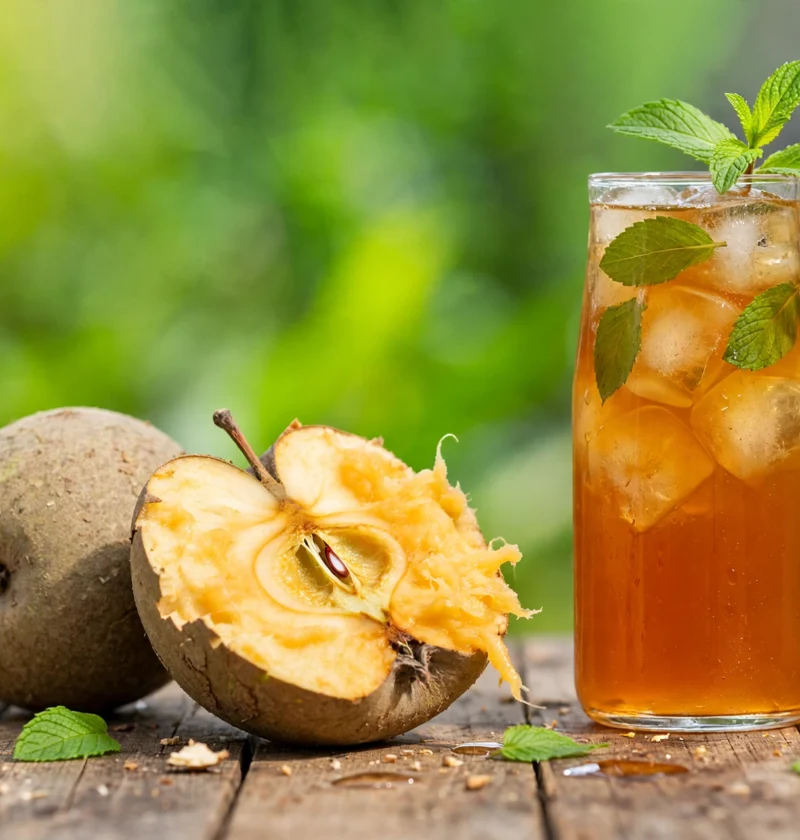
The Bel Sharbat That Made Me Respect the Wood Apple
The first time I tasted this bel sharbat recipe, I was ten years old and deeply suspicious of the fruit it came from. A street vendor in Lahore had cracked open a wood apple on his cart, and the thing looked like a small brown cannonball — hard as stone on the outside, sticky and orange-gold on the inside, smelling of something between roses and ripe melon. My father ordered two glasses without asking me, and I watched the vendor scoop the pulp, mash it with water, and strain it into a tall glass over ice. One sip and my suspicion evaporated. It was fragrant, gently sweet, thick in a way that felt like drinking sunshine, and nothing like any juice I had ever tasted. That glass is the reason this bel sharbat recipe has stayed in my kitchen ever since, the drink I reach for the moment summer turns serious.
What I did not know then is that the wood apple, or bel, has been a summer cooler in South Asia for centuries, valued as much for cooling the body as for its perfume. The fruit does most of the work itself: ripe pulp is already sweet, already fragrant, and already thick enough to give the drink its body. This bel sharbat recipe takes about twenty minutes from cracking the fruit to the first cold sip, serves four generously, and turns one hard, unpromising-looking fruit into a jug of amber gold. If you have ever walked past a wood apple wondering what on earth to do with it, this is the glass that answers the question.
Why This Bel Sharbat Recipe Works
- Ripe pulp does the sweetening: A fully ripe bel is naturally honeyed, so this bel sharbat recipe needs only a spoon or two of sugar, never a syrupy overload.
- Soaking loosens the pulp gently: A short soak in water softens the sticky pulp without cooking it, which is why this bel sharbat recipe keeps the fruit’s fresh, floral perfume intact.
- Straining twice gives silk, not grit: A coarse strain followed by a fine one removes every fibre, so this bel sharbat recipe pours smooth and drinks like a proper sharbat.
- Chilling, not ice alone, cools it right: Chilling the strained sharbat before serving keeps it thick and flavourful, while ice added at the end only chills this bel sharbat recipe without watering it down.
- Lemon and mint lift the richness: A squeeze of lemon and a few torn mint leaves cut through the pulp’s natural thickness, and that brightness is what makes this bel sharbat recipe refreshing rather than heavy.
Ingredients for This Bel Sharbat Recipe
One ripe wood apple makes a generous jug — enough for four tall glasses with ice. Pick a fruit that feels heavy for its size and smells fragrant through the shell; a light, odourless bel is usually underripe and will taste sharp instead of sweet. If the shell does not crack easily, wrap the fruit in a cloth and tap it firmly on a hard surface — the hard shell is the whole reason the fruit keeps so well, and cracking it open is half the fun of this bel sharbat recipe.
For the sharbat
- 1 large ripe wood apple (bel), about 1 pound (450 g)
- 4 cups cool water, divided
- 2 to 3 tablespoons sugar, or to taste
- 1 tablespoon lemon juice, or to taste
- 1/4 teaspoon roasted cumin powder (optional, for a savoury twist)
- A pinch of black salt (optional)
For serving
- Plenty of ice cubes
- Fresh mint leaves, torn
- Lemon wedges, for the glasses
- 1 tablespoon soaked basil seeds (optional, for texture)
How to Make This Bel Sharbat Recipe in 5 Steps
Getting to the finished glass takes five stages, and the step most people hurry is the soak. Pulp scraped straight into a glass and stirred will stay lumpy and fibrous no matter how hard you whisk, while pulp given ten quiet minutes in water relaxes into a smooth base. Give it that time, and the rest of this bel sharbat recipe is just straining, sweetening, and chilling.
Step 1: Crack the bel and scoop the pulp
Wrap the wood apple in a kitchen towel and crack the shell firmly against a hard surface or with the back of a heavy knife — it will split into a few hard pieces. Scoop out all the soft, orange-gold pulp with a spoon, discarding the shell and any hard, woody bits. You should have about 1 1/2 cups of sticky pulp. This fragrant, sunset-coloured scoop is the heart of the whole bel sharbat recipe, and its perfume at this stage tells you whether the fruit was truly ripe.
Step 2: Soak the pulp in water
Put the pulp in a large bowl and pour over 2 cups of the cool water. Leave it alone for 10 minutes, then work it gently with your fingers or a potato masher, breaking the pulp apart until the water turns thick and amber. Do not rush this step with a blender — a blender whips air and bitterness into the pulp, while a patient hand-soak keeps this bel sharbat recipe smooth and clean-tasting.
Step 3: Strain it twice for silk
Pour the soaked pulp through a coarse strainer into a jug, pressing with a spoon to push the liquid through, then strain it a second time through a fine sieve or a piece of muslin. The second pass catches the fine fibres that make a hasty sharbat feel gritty, and the difference is immediate: what comes out is glossy, pourable, and silk-smooth. Discard the fibrous residue — it has given everything worth giving to this bel sharbat recipe.
Step 4: Sweeten, season, and chill
Stir in the remaining 2 cups of water, then add the sugar a spoon at a time, tasting as you go — ripe pulp varies, and this bel sharbat recipe should be gently sweet, never syrupy. Add the lemon juice, and the cumin and black salt if you are using them, and stir until everything dissolves. Cover the jug and chill it in the fridge for at least 30 minutes, or set the jug in a bowl of ice if you are in a hurry. A properly chilled sharbat tastes twice as fragrant as a lukewarm one.
Step 5: Serve over ice with mint
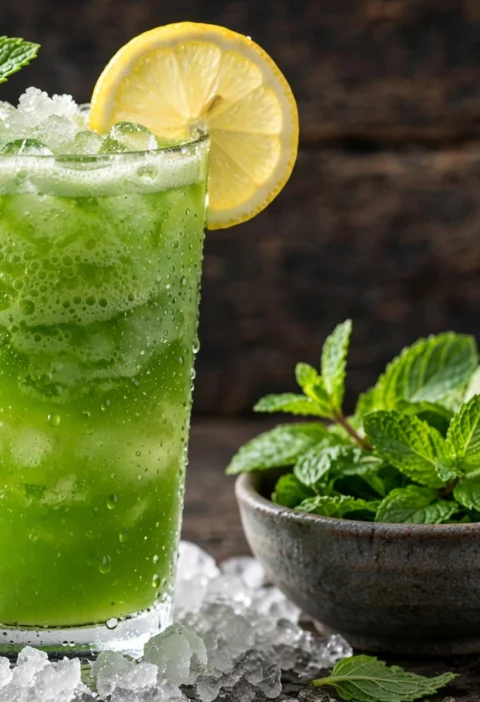
Fill tall glasses with ice cubes and pour the chilled sharbat over them, leaving room for a spoonful of soaked basil seeds if you like them. Slap a few mint leaves between your palms to release their scent, drop them in, and tuck a lemon wedge onto each rim. Stir once, slowly, so the mint perfumes the glass without bruising into the drink. That first cold, amber sip — fragrant, silky, faintly floral — is what this bel sharbat recipe is all about.
Serving Suggestions
My favourite way to serve this is the simplest: a tall glass over plenty of ice, a torn mint leaf on top, and a plate of salted roasted chana or nimco beside it for nibbling. The salty crunch against the sweet, fragrant drink is the classic summer-afternoon pairing, and it needs nothing else to feel like an occasion. On a really hot day I freeze half the sharbat into ice cubes the night before, so the glass stays cold without a single drop of dilution.
When friends come over, I set this jug out beside its cooler cousins so everyone can compare glasses. My Watermelon Sharbat brings the light, ruby-red freshness to the same table, while my Sattu Sharbat offers the earthy, protein-rich alternative — and this bel sharbat recipe sits between them as the fragrant, golden centrepiece that guests ask about first. A platter of pakoras or samosas alongside turns it into a proper summer tea, and a bowl of fresh fruit keeps the table bright.
For a party, make a double batch and keep the jug in the fridge, pouring glasses to order over fresh ice so every serving stays cold and silky. It also works beautifully as a welcome drink: a small glass on arrival, before the food comes out, sets a fragrant tone for the whole meal. However you serve this bel sharbat recipe, keep the jug chilled and the mint fresh — warm sharbat and wilted mint are the two things that dull an otherwise perfect glass.
Storage and Reheating
Bel sharbat is at its best the day it is made, when the perfume is brightest and the texture is at its silkiest. Keep any leftover sharbat in a covered jug in the fridge and finish it within 2 days; it will settle as it sits, so stir well before pouring again. The pulp may thicken slightly in the cold — a splash of cool water brings it right back to pouring consistency, and a fresh squeeze of lemon wakes the flavour up again.
There is no reheating here, of course — heat would flatten the fragrance that makes the drink special — but a jug taken from the fridge to a sunny table warms fast, so keep it chilled until the moment you pour. I would not freeze the finished sharbat, since thawing dulls the floral notes, but the scooped pulp itself freezes well for a month: freeze it flat in a bag, thaw overnight in the fridge, and the next bel sharbat recipe evening starts halfway done.
Frequently Asked Questions
How do I know if my wood apple is ripe?
Smell it first: a ripe bel smells sweet and floral even through its hard shell, while an unripe one smells of almost nothing. It should feel heavy for its size, and the shell should give a hollow sound when tapped. If the pulp inside is pale yellow and hard to scoop, the fruit needed more time — the pulp of a ripe bel is soft, sticky, and deep orange-gold, and that is the pulp this bel sharbat recipe depends on.
Can I make this bel sharbat recipe without a fine strainer?
Yes, with a little patience. A clean muslin cloth or even a thin cotton kitchen towel works beautifully as a second strainer — pour the coarse-strained liquid through it and let it drip, pressing gently at the end. What matters is the double pass: one strain leaves fibres behind, and two leave silk. A single fine strainer used twice does the same job if that is all you have.
Is bel sharbat supposed to be sweet or savoury?
Both versions exist, and this bel sharbat recipe leans sweet with a lemon lift, which is the most common summer style. For the savoury version, skip the sugar, add roasted cumin, black salt, and a little more lemon, and serve it as a cooling digestive after a heavy meal. The pulp itself is sweet enough that the savoury version still tastes rounded, never sharp.
Can I use canned or frozen bel pulp?
You can, and it is a sensible shortcut where fresh wood apples are hard to find. Thaw frozen pulp completely, then soak and strain it exactly as above, but reduce the water slightly — commercial pulp is often thinner than fresh. The fragrance will be a touch quieter than a fresh fruit, so add an extra squeeze of lemon and a few more mint leaves, and this bel sharbat recipe still pours a very good glass.
Recipe Summary
Allow ten minutes to crack and scoop the fruit, ten more to soak, and a few minutes to strain, sweeten, and chill, and four people are sipping in about twenty minutes plus chilling time. Each glass runs close to 110 calories, and this bel sharbat recipe has earned its place in my kitchen as the golden, fragrant cooler that turns a strange-looking hard fruit into the most requested drink of summer.
If you try it, I hope that first cold, silky, floral sip shows you why a fruit I once eyed with suspicion became a summer ritual — cooling, fragrant, and gone long before the jug is empty. For the background on the fruit, read about bael and the wider sharbat tradition on Wikipedia.