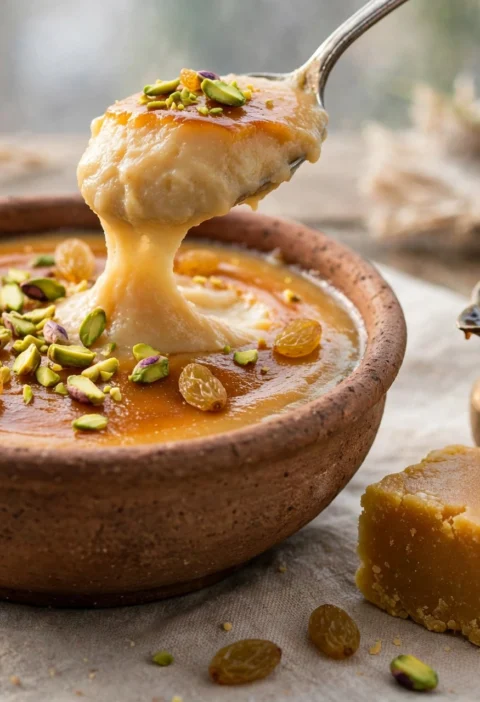
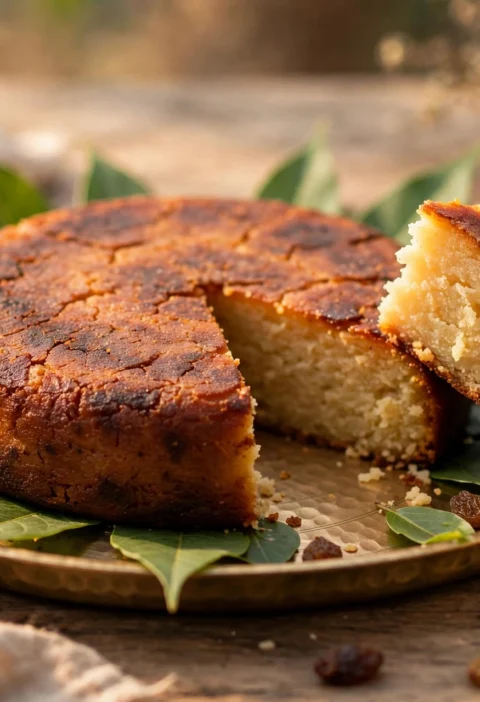
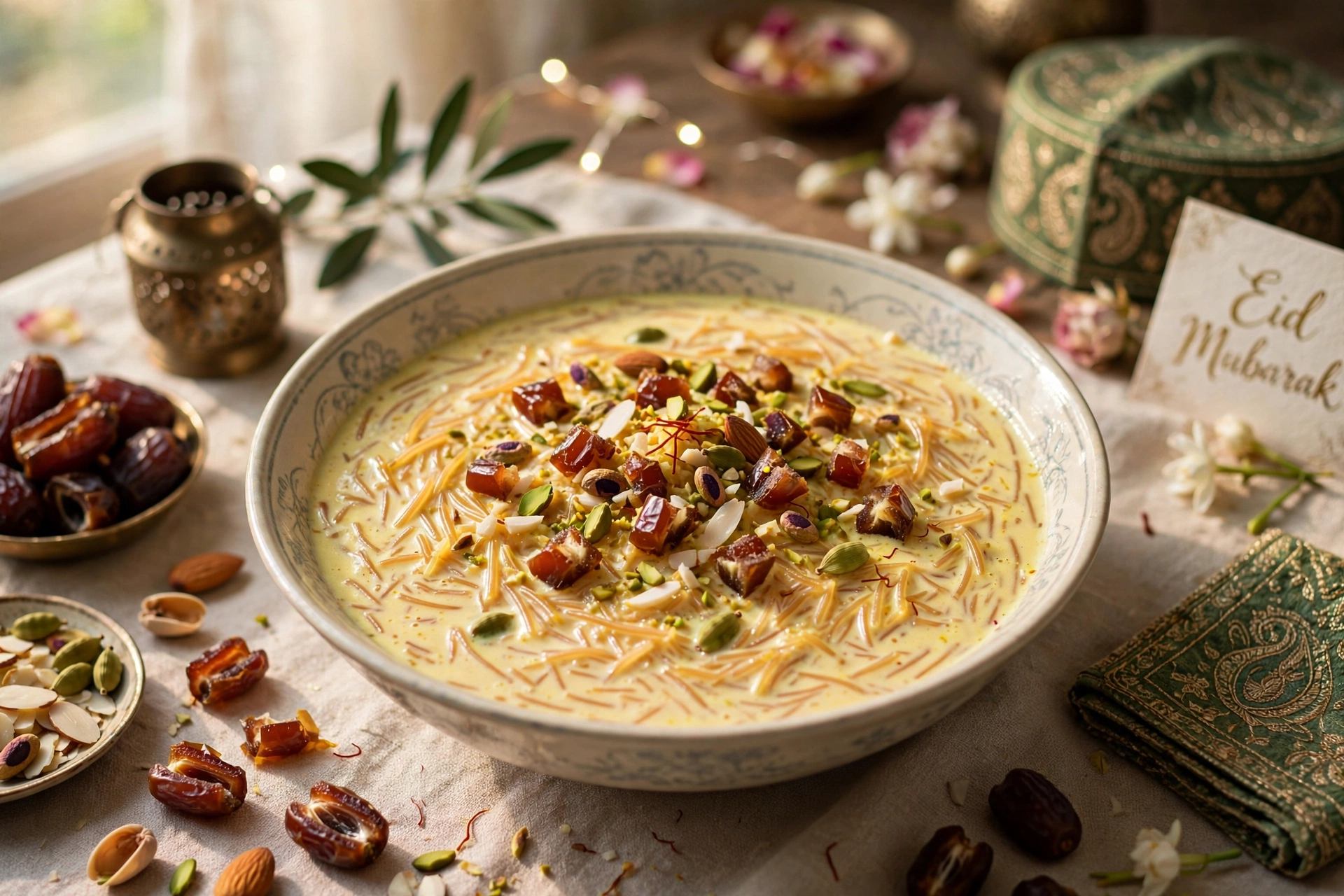
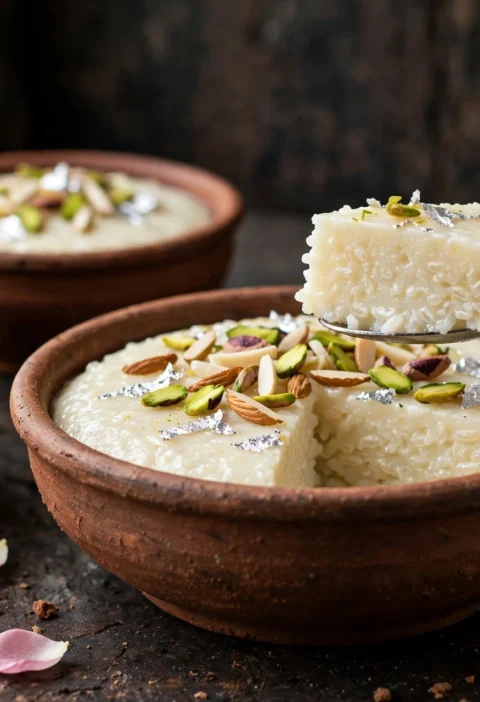
In the mithai shops of my childhood, the coconut barfi sat in the glass case like a slab of marble — snow-white on the bottom, blushing pink on top, cut into diamonds so neat they looked machined. It was the sweet I always pointed at first, and the one my nani dismissed as “too easy to bother buying,” because she made it at home in less time than the rickshaw ride to the bazaar. She was right about the ease and wrong about everything else being better: her version, soft and fudgy with the coconut still moist, ruined shop barfi for me forever. This coconut barfi recipe is hers — quick, forgiving, and dressed in its pink-and-white best.
Coconut barfi asks only one real skill of you: knowing when to stop cooking. Pull the mixture off the heat too early and it stays a sticky spoon-dessert that never firms into squares; push it five minutes too far and it dries into sweet coconut gravel that crumbles instead of slicing. My first attempts managed both failures in the same week. The rescue turned out to be a two-part trick — soak the coconut in warm milk first so it starts plump and hydrated, then cook to the moment the mixture leaves the sides of the pan and passes a simple cold-plate test. Nail that landing and this coconut barfi recipe gives you soft, moist, cleanly cut squares every single time.
Why This Coconut Barfi Recipe Works
Coconut barfi fails when it’s sticky and unset, dry and crumbly, or scorched at the base. This coconut barfi recipe is designed around the moisture balance that prevents all three:
- The coconut soaks in warm milk before it meets the heat. Dry desiccated shreds cooked straight into sugar stay harsh and stringy, and they scorch before they soften. Twenty minutes in warm milk plumps them into tender flakes that cook evenly and taste like fresh coconut. That soak is the difference between this coconut barfi recipe and the dry, sawdusty kind sold at petrol pumps.
- Sugar joins only after the coconut has drunk the milk. Sugar added at the start draws out moisture, floods the pan, and makes the cooking time endless and unpredictable. Let the coconut absorb the milk first — the pan should look almost dry — and the sugar then melts into a controlled syrup that coats rather than drowns. This coconut barfi recipe’s texture stays fudgy because the water was handled in the right order.
- The cold-plate test decides doneness, not the clock. Coconut mixtures lie to your eyes; they look set in the pan and slump on the tray. A drop smeared on a cold plate should firm within a minute and roll into a soft, non-sticky ball between your fingers. Test at the first sign of the mixture leaving the pan’s sides, and you’ll land this coconut barfi recipe in the soft-fudgy zone every time.
- Half the batch is tinted pink and layered over the white. This isn’t mere decoration — the two-tone slab is how everyone recognizes coconut barfi across a crowded mithai case, and layering while both halves are warm welds them into one piece that slices cleanly. A drop or two of pink food color, no more, keeps it delicate rather than neon. This coconut barfi recipe looks like a celebration before anyone tastes it.
- It’s pressed, topped, and cut while still warm. Barfi firms as it cools; cutting it cold shatters the edges, and pressing it cold leaves cracks no garnish can hide. Spread and level it the moment it leaves the stove, scatter the pistachios so they embed, then slice into diamonds as soon as it holds its shape. Warm work, clean squares — this coconut barfi recipe’s final rule.
Ingredients
Makes about 16 pieces
For the barfi:
- 3 cups (about 9 oz / 255g) fine desiccated coconut (unsweetened)
- 1 1/2 cups (360 ml) whole milk, warmed
- 1 cup (200g) granulated sugar
- 2 tablespoons ghee, plus a little extra for greasing the pan
- 1/2 teaspoon freshly ground green cardamom
- 1-2 drops pink or red food color
For the topping:
- 2 tablespoons pistachios, finely chopped
A note on the coconut: fine desiccated coconut gives the smooth, close texture of shop barfi; coarse shreds make a rustic, chewy version that’s good but different. If you have fresh coconut, grate it fine and skip the soaking step — but squeeze it lightly first, since fresh gratings carry more water than this coconut barfi recipe expects. The coconut itself is non-negotiable in quality: stale, yellowed desiccated coconut tastes of cardboard no cardamom can rescue, so smell the bag before you commit.
How to Make This Coconut Barfi Recipe – Step by Step
Step 1: Soak the coconut.
Stir the desiccated coconut into the warm milk in a bowl and set it aside for 20 minutes, stirring once halfway. The shreds will drink nearly all the milk and swell into soft, moist flakes. Meanwhile, grease an 8-inch square pan or thali generously with ghee and line up your chopped pistachios. Everything moves quickly at the end of this coconut barfi recipe, so the mise en place matters.
Step 2: Cook the coconut and milk down.
Scrape the soaked coconut and any remaining milk into a heavy, wide pan over medium heat. Cook, stirring steadily and scraping the base, for 8-10 minutes, until the free liquid has mostly evaporated and the mixture looks like thick, steaming porridge that holds a stirred trail for a few seconds. Keep the heat honest — coconut sugars brown fast, and you’re after white, not toasted, at this stage.
Step 3: Add sugar and ghee, and cook to the test.
Stir in the sugar and ghee. The mixture loosens as the sugar melts into syrup — expected, not a problem. Cook another 8-10 minutes, stirring constantly now, until it thickens again, turns glossy, and begins pulling away from the pan’s sides in one mass. Smear a drop on a cold plate: after a minute it should firm up and roll into a soft ball that doesn’t stick to your fingers. That’s the finish line of this coconut barfi recipe — take the pan off the heat the moment you hit it.
Step 4: Cardamom in, then build the two layers.
Stir the ground cardamom through the whole batch first — flavor everywhere, color only in half. Spread a little more than half the mixture into your greased pan and level it firmly with the back of a spoon into the white base layer. Tint the remaining mixture in the pan with a drop or two of pink color, mixing until evenly blushed, then spread it over the white layer and level again. Work briskly; both halves must still be warm to bond.
Step 5: Top, set, and cut into diamonds.
Scatter the chopped pistachios over the pink surface and press them in gently with the flat of your hand. Rest the pan at room temperature for about 1 hour, until the slab is firm but not cold-hard. Cut into diamonds with a sharp knife — diagonal cuts in both directions — and lift the pieces out carefully. This coconut barfi recipe is ready to eat the moment it’s cut, though an extra hour of resting deepens the set.
Serving Suggestions
Coconut barfi is the bright note on a mithai platter — it goes out at Eid, at mehndis, in the mixed boxes people carry when visiting new babies and new homes. Serve the pieces at room temperature, arranged so the pink tops show; they’re prettier than half the decorations at the party. With strong, unsweetened doodh patti the sweetness balances perfectly. In my house this coconut barfi recipe is the one sweet the children are allowed to “help” with, because layering the pink half feels like painting and nobody has ever refused the job.
For a full homemade mithai case, arrange this coconut barfi recipe next to my milk barfi — plain white against pink-and-white, dense against fudgy, the two squares that anchor every proper assortment. Add my gulab jamun for the warm, syrupy counterpoint and you have the complete triangle: baked-firm, set-soft, and soaked-through. Guests will circle that tray all evening.
Storage and Serving
Coconut barfi keeps in an airtight container at room temperature for 4-5 days, and up to 2 weeks in the fridge — bring pieces out 20 minutes before serving so the texture returns to soft and fudgy, since cold barfi eats hard and muted. Layer pieces between parchment if you stack them, or the pink tops will mark the white bottoms. It freezes acceptably for a month, thawed slowly in the fridge, though the coconut loses a little of its fresh spring. Sweets of this family — milk, coconut, and sugar set into slabs — sit at the heart of mithai culture across the subcontinent, and this coconut barfi recipe is among the quickest of them to make from scratch, which is precisely why home cooks have kept it in rotation for generations.
Frequently Asked Questions
Why is my barfi still sticky and refusing to set?
It left the heat before the mixture finished giving up its moisture. Sticky barfi is undercooked barfi, almost without exception — the cure is to scrape everything back into the pan and cook, stirring, for another 3-5 minutes until it masses together and passes the cold-plate test. Waiting longer on the counter will not save it; only heat will. This coconut barfi recipe’s test exists because the eye alone can’t judge it.
Mine turned out dry and crumbly. What went wrong?
The mixture cooked past its moment — once the mass starts leaving the pan, you have about a minute of grace, not five. Dry barfi can be partially rescued by kneading in a tablespoon or two of warm milk while it’s still warm, then re-pressing it into the pan. Next round of this coconut barfi recipe, start testing earlier and pull the pan the second the test ball holds.
Can I use condensed milk instead of milk and sugar?
Yes, and it’s a respectable shortcut: replace both with one 14 oz (397g) can of sweetened condensed milk, skip the soak, and cook the coconut straight in it for about 10 minutes until the mixture masses. The result is sweeter and denser, closer to fudge. It won’t taste quite as clean as this coconut barfi recipe, but on a busy Eid morning nobody at the table will complain.
Do I have to make the pink layer?
Not at all — plain white coconut barfi is entirely traditional too, and some families never color it. The pink is presentation, the mithai-shop signature that makes the sweet instantly recognizable in a mixed box. Skip it and this coconut barfi recipe loses nothing in flavor; keep it and children will fight over the pink pieces first, as they have at every family gathering since forever.
Recipe Summary
- Prep time: 10 minutes (+ 20 minutes soaking)
- Cook time: 20 minutes
- Total time: 30 minutes (+ 1 hour setting)
- Servings: About 16 pieces
- Cuisine: Pakistani / South Asian
- Course: Dessert