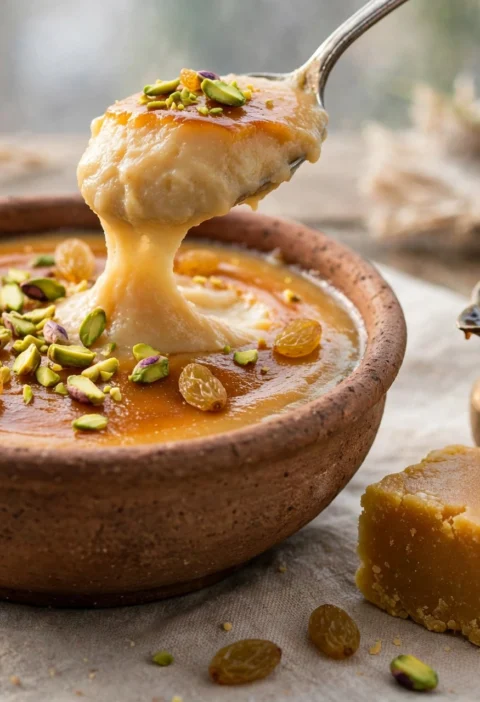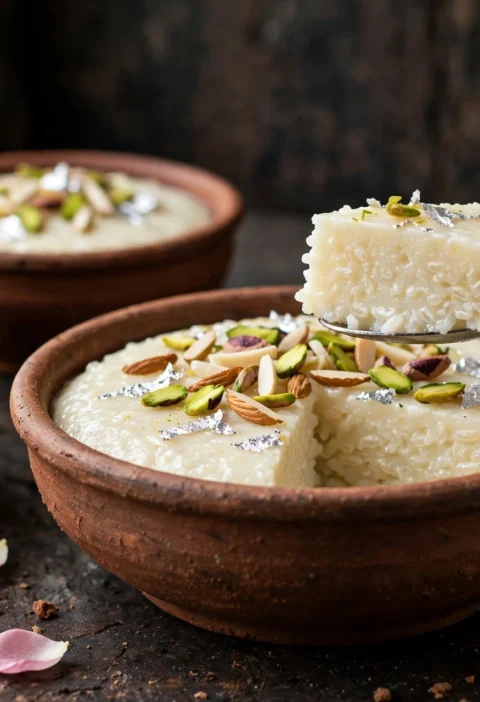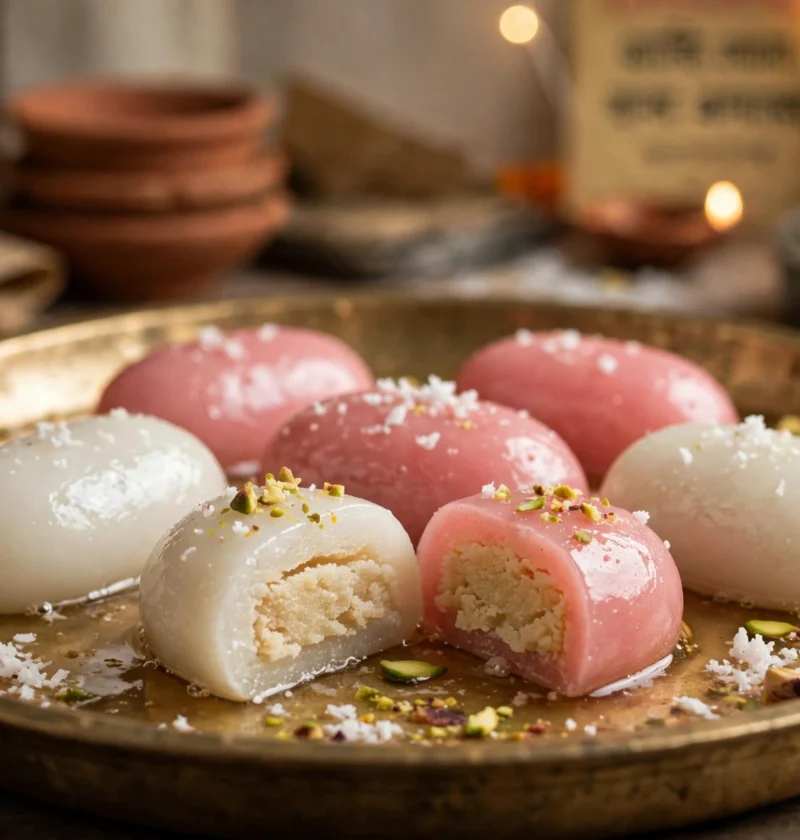
Of all the chenna sweets, cham cham is the one with a spine. Rasgulla sighs when you press it; rasmalai dissolves if you look at it too hard; but a cham cham pushes back — a firm, oval little boat with a gentle chew, glossy with syrup, holding its shape in the box all the way home. I met it properly at a Bengali halwai’s shop, where the trays were labeled in two languages and the cham cham came in white, pink, and a pale saffron yellow. The owner picked one up with tongs, utterly dry-handed — no dripping, no drama — and said, “Yeh safar wala hai,” this is the one that travels. This cham cham recipe is built around that character: all the delicacy of fresh chenna, with enough body to be stuffed, carried, and bitten into with satisfaction.
Getting that body right is where home versions stumble, because a cham cham is not simply an oval rasgulla — I learned this by making exactly that mistake. Rolled from plain chenna and boiled in feather-light syrup, my first batch came out as elongated rasgullas: soft, sweet, and completely missing the point. The real cham cham recipe asks for a touch of semolina and flour kneaded into the chenna for structure, a slightly sturdier syrup, a longer boil, and — most importantly — the finish. A slit down the middle, a spoonful of sweetened khoya tucked inside, maybe a roll in coconut. That’s when it stops being a shape and becomes a cham cham. This cham cham recipe builds in all of it.
Why This Cham Cham Recipe Works
Cham cham fails as mushy ovals that slump, bland sponges with no chew, or cracked shells that burst in the boil. This cham cham recipe is engineered against all three:
- A teaspoon each of semolina and flour goes into the chenna. This is the structural difference from rasgulla. The tiny amount of starch binds the curds into a dough with backbone — it shapes into clean ovals, survives a long boil without fraying, and gives the finished sweet its signature gentle chew instead of a melt.
- The chenna is drained a touch drier than rasgulla’s. A firmer starting dough is what lets the ovals hold their boat shape under their own weight. I squeeze the bundle well and hang it about 20 minutes — it should feel like a firm, smooth putty that doesn’t leave your palm wet. Too moist and the ovals slump flat in the syrup; too dry and they turn dense, so in this cham cham recipe this is a balance, not a wringing.
- The syrup is medium-bodied, and the boil runs a full 20 minutes. Cham cham boil longer than rasgulla so the structure sets all the way through the thicker oval. A syrup with a little more sugar than rasgulla’s supports them while they cook, and a splash of hot water added midway keeps it from thickening into a glaze that would seal the surface shut. That fluidity is what lets the centers cook through in this cham cham recipe.
- They rest in the syrup, then drain before serving. An hour resting in the cooling syrup lets the centers finish absorbing sweetness evenly. But unlike rasgulla, a cham cham is lifted out and drained — served moist and glossy, not swimming. That short drain is what lets you taste the chew of this cham cham recipe itself, not just syrup.
- The khoya stuffing is the finish that makes it cham cham. A shallow slit, a filling of sweetened khoya with cardamom, a sprinkle of pistachio — this is the festive form you’ll see in Bengali shops, and it transforms the sweet from a plain boiled oval into a two-texture bite: firm chenna outside, rich creaminess inside. This cham cham recipe includes it because it’s the version worth making.
Ingredients
Makes 12 cham cham
For the chenna:
- 2 liters (about 8 1/2 cups) full-cream whole milk
- 3 to 4 tablespoons lemon juice, diluted in 1/4 cup water
- 1 teaspoon fine semolina (sooji)
- 1 teaspoon all-purpose flour (maida)
For the syrup:
- 2 cups (400g) granulated sugar
- 5 cups (1.2 liters) water, plus a little extra hot water for topping up
- 4 green cardamom pods, lightly crushed
- 1 teaspoon rose water
For the khoya stuffing:
- 1/2 cup (about 100g) khoya (mawa), grated or crumbled fine
- 2 tablespoons powdered sugar
- 1/4 teaspoon freshly ground green cardamom
- 2 tablespoons pistachios, finely chopped, for sprinkling
- 2 tablespoons desiccated coconut (optional, for rolling the plain ones)
The family tree matters here. Cham cham — you’ll also see it spelled chomchom — is a Bengali classic, famously associated with the sweet makers of Tangail, and it exists in more colors and coatings than almost any other mithai. Its base, chenna, is the fresh, unpressed curd that underlies half the Bengali sweet case; what you do to that curd after it forms is what decides which sweet you’ve made. This cham cham recipe uses the same curd as a rasgulla and then deliberately takes it in a firmer direction.
How to Make This Cham Cham Recipe – Step by Step
Step 1: Curdle the milk and drain the chenna.
Set the milk in a heavy pan over medium-high heat and bring it up to a boil, stirring now and then so the base doesn’t catch. Take the pan off the heat and start adding the diluted lemon juice a little at a time, stirring slowly, until the milk splits into soft curds and thin, pale whey and no more white streaks remain. Pour everything into a muslin-lined sieve, rinse the curds briefly under cold water to wash off the lemon, then gather the cloth, squeeze firmly, and hang the bundle for about 20 minutes — you want it moist but decidedly firm, the way the dough of this cham cham recipe should feel.
Step 2: Knead with the semolina and flour, then shape ovals.
Tip the chenna onto a clean surface and scatter over the semolina and flour. Work it with the base of your palm — push it away from you, fold it back, push again — for a full 10 minutes, until it turns uniformly smooth and feels like a soft, firm dough that leaves only the faintest grease on your hands. Divide into 12 equal pieces and roll each one between your palms into a smooth oval, about the size and shape of a small egg, with no cracks anywhere on the surface. Any crack you can see now will open in the boil, so take the extra ten seconds per piece.
Step 3: Boil the ovals in the syrup for 20 minutes.
Stir the sugar into the water in your widest pot, add the cardamom, and bring it to a full, rolling boil. Lower the ovals in gently, one by one — they need room to move, so don’t crowd them. Cover and keep the boil vigorous for 20 minutes. Halfway through, if the syrup looks like it’s thickening, splash in half a cup of hot water to keep it fluid. The ovals in this cham cham recipe will swell noticeably and turn a shade paler. Take the pot off the heat, stir in the rose water, and leave them resting in the syrup for 1 hour as it cools.
Step 4: Drain, slit, and stuff.
Lift the rested cham cham out of the syrup with a slotted spoon and let them drain on a rack or a clean cloth for 15 minutes — they should look glossy and feel firm and springy. Meanwhile, mash the khoya with the powdered sugar and cardamom until smooth and spreadable. With a small sharp knife, cut a shallow slit along the top of each oval, not all the way through. Gently open it like a little boat and tuck in about a teaspoon of the khoya mixture.
Step 5: Finish and serve.
Sprinkle the stuffed tops with the chopped pistachios, pressing them on lightly so they stick to the khoya. If you’re keeping some plain, roll those in the desiccated coconut while they’re still slightly damp with syrup. Arrange on a plate with just a spoonful or two of the syrup drizzled over — remember, this cham cham recipe serves them moist, not drowned. They’re ready immediately, and even better after 2 hours in the fridge.
Serving Suggestions
Cham cham is tea-time and gift-box mithai — it’s the sweet you carry to someone’s house because it arrives intact, still glossy, with its stuffing in place. Serve the pieces from this cham cham recipe at room temperature or lightly chilled, two per person, with unsweetened chai to balance the syrup. On a festive tray, mix the white stuffed ones with a few coconut-rolled ones for the classic sweet-shop look.
The comparison is the fun of serving it: put this cham cham recipe next to my rasgulla and guests can taste exactly what structure means — the rasgulla is round, fragile, and floods its spoon with syrup, while the cham cham is an oval with a real chew that you can pick up with your fingers. And against my rasmalai, the difference is the bath itself: rasmalai’s discs are squeezed and soaked in reduced saffron milk until they barely hold together, while cham cham stays in the syrup family and keeps its dignity. Three sweets, one curd, three personalities.
Storage and Reheating
Unstuffed pieces from this cham cham recipe keep happily in their syrup in the fridge for up to 5 days, and their texture actually firms into its best chew by day two. The stuffed ones are best within 2 days — the khoya filling is fresh dairy and shouldn’t sit longer — so if you’re making ahead, store the ovals in syrup and stuff them on the day you serve. Bring them out of the fridge 20 minutes before eating; stone-cold cham cham tastes muted. No reheating applies to this cham cham recipe, and freezing is a bad idea — thawed chenna weeps and turns tough, undoing all the kneading you did.
Frequently Asked Questions
How is cham cham different from rasgulla?
Shape, structure, and serving. A rasgulla is a plain round ball of pure chenna, boiled briefly in very light syrup, and served swimming in that syrup so it melts and floods. A cham cham is an oval kneaded with a little semolina and flour for body, boiled longer, drained before serving, and classically slit and stuffed with khoya or rolled in coconut. The rasgulla melts; the cham cham chews — gently, but unmistakably. This cham cham recipe is the one to make when you want the firmer, more substantial sweet.
Why did my cham cham come out hard and dense?
Usually the chenna started too dry — squeezed or hung too long, it has no moisture left to puff with — or too much flour went in. One teaspoon is structure in this cham cham recipe; three is a dumpling. If your curds felt firm and crumbly at the kneading stage, work in a tablespoon of warm milk to loosen them before shaping. The dough should feel like soft putty, never like a stiff paste.
Why did some of my ovals crack or burst in the boil?
Cracks almost always begin at the shaping stage: a fissure on the surface becomes a split under the pressure of the boil. Roll each oval until it’s completely smooth, rolling a little longer than feels necessary. The other cause is a syrup that wasn’t at a full rolling boil when the ovals went in — in a weak simmer they sit, soften, and fall apart instead of setting. Get the boil strong first, as this cham cham recipe insists, then lower them in.
Can I skip the stuffing?
Absolutely — plain cham cham is a classic in its own right, and the traditional everyday version is often just rolled in desiccated coconut or fine khoya crumbs and served as is. The stuffed version in this cham cham recipe is the festive one, the kind made for dawats and gift boxes. Make them plain for a weeknight and stuffed when you want to show off; the base recipe is identical either way.
Recipe Summary
- Prep time: 25 minutes (+ 20 minutes draining)
- Cook time: 30 minutes
- Total time: About 55 minutes (+ 1 hour resting in syrup)
- Servings: 12 cham cham
- Cuisine: South Asian (Bengali)
- Course: Dessert