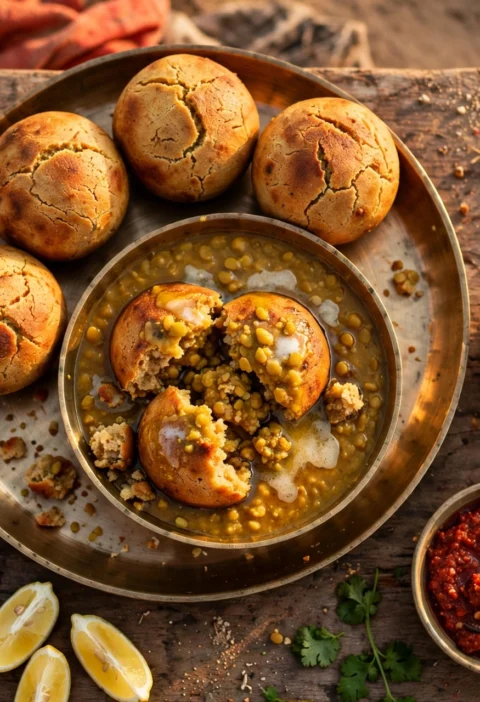
Some of my strongest food memories happened at two in the morning, on plastic chairs, at a highway dhaba somewhere between Lahore and Multan. Truck drivers hunched over steel plates, the tandoor slapping out rotis in the dark, and in front of me a plate of daal mash with a slab of butter melting into it, ginger cut into matchsticks on top, every white lentil separate and gleaming. I ate it in silence, burning my fingers on the roti, wondering how something so plain could taste so complete. This daal mash recipe comes from years of trying to rebuild that plate at home — and failing in every mushy way a lentil can fail.
Daal mash is made from split white urad, and it plays by one rule that other daals don’t: the grains must stay whole. A great mash ki daal is “khari” — each lentil tender but distinct, coated in a light, buttery masala rather than drowned in gravy. My early attempts broke the rule constantly. I soaked the daal overnight like I did for other lentils, and it surrendered into paste. I pressure-cooked it, and got baby food. The fixes turned out to be restraint: a short soak, an open pot, and the discipline to stand there and watch. Once I accepted those terms, this daal mash recipe started producing that dhaba plate — distinct grains, glossy butter, ginger heat at the finish.
Why This Daal Mash Recipe Works
Daal mash fails in one direction only — mush — but there are several roads that lead there. This daal mash recipe is built to close every one of them:
- The soak is thirty minutes, never overnight. Urad daal drinks water greedily. A long soak waterlogs each grain so thoroughly that no cooking method can save its shape. Half an hour softens the surface just enough for even cooking while the center stays firm — the exact head start this daal needs.
- It cooks in an open pot where you can see it. A pressure cooker is a black box: by the time you open it, the damage is done. In an open pot you watch the grains, test them between your fingers, and pull the pot off the heat at the precise moment they’re tender. Visibility is the technique.
- The salt goes in late. Salt added at the start of cooking toughens the skins of urad lentils and makes them cook unevenly — firm outside, raw inside. Boiling the daal nearly done in plain turmeric water first, then seasoning, gives you uniformly soft grains that still hold together.
- The masala is cooked separately, then the daal folds in. Boiling lentils together with onion and tomato for half an hour guarantees overcooked daal. Here the onion-tomato base simmers on its own until rich and reduced, and the cooked daal joins it for just a few minutes — long enough to coat, never long enough to collapse.
- The butter tadka is a finish, not a cooking medium. Dhabas don’t cook the daal in butter; they crown it with butter at the end, sizzling with whole red chilies and ginger. That final-minute butter keeps its fresh, sweet flavor instead of cooking off, and it makes this daal mash recipe taste unmistakably like the highway version.
Ingredients
Serves 4-5
For the daal:
- 1 1/2 cups (300g) split white urad daal (mash ki daal), rinsed well
- 3 1/2 cups water
- 1/2 teaspoon turmeric powder (haldi)
- 1 teaspoon salt (added near the end of boiling)
For the masala:
- 3 tablespoons oil or ghee
- 1 large onion, finely sliced
- 2 medium tomatoes (about 250g), chopped
- 1 tablespoon ginger-garlic paste
- 3-4 green chilies, chopped
- 1 teaspoon red chili powder
- 1 teaspoon ground coriander (dhaniya)
- 1/2 teaspoon garam masala
- Salt to taste
For the butter tadka and garnish:
- 3 tablespoons unsalted butter (makhan)
- 4-5 whole dried red chilies
- 1-inch piece of fresh ginger, sliced into thin juliennes
- 3 tablespoons fresh coriander leaves, chopped
- Lemon wedges, for serving
A note on the lentil itself: the urad bean is sold whole and black (that’s the one for daal makhani) or split and husked, which gives you these ivory-white grains. For this dish you want the split white kind, sometimes labeled “mash ki daal” in desi stores. It belongs to the wider family of dal dishes eaten across South Asia, but its firm, separate-grain texture makes it the odd one out — and that’s precisely its charm.
How to Make This Daal Mash Recipe – Step by Step
Step 1: Rinse, soak briefly, and boil.
Rinse the daal in several changes of water until the water runs fairly clear, then soak it in fresh water for exactly 30 minutes. Drain, transfer to a wide pot with the 3 1/2 cups of water and the turmeric, and bring to a boil. Skim the white foam that rises in the first few minutes. Lower to a steady simmer and cook for 18 to 22 minutes, testing grains from about minute fifteen: a grain should crush easily between your fingers but still show its shape. Stir in the salt for the final 5 minutes. Drain off any excess water — there should be very little — and set the daal aside.
Step 2: Build the masala base.
While the daal boils, heat the oil or ghee in a karahi or wide pan over medium heat. Add the sliced onion and fry for 8 to 10 minutes until golden at the edges. Stir in the ginger-garlic paste for a minute, then the tomatoes, green chilies, red chili powder, and ground coriander. Cook for 8 to 10 minutes, stirring and mashing the tomatoes, until the mixture turns into a thick, glossy masala with oil glistening around the sides of the pan.
Step 3: Fold the daal into the masala.
Tip the drained daal into the masala and fold it through gently with a wide spoon — stirring aggressively at this point breaks grains, so think of it as turning, not mixing. Simmer together on low heat for 4 to 5 minutes so the lentils pick up the masala’s flavor. The finished dish should be moist and glossy but not soupy; if it looks dry, splash in a few tablespoons of hot water. Sprinkle the garam masala, taste for salt, and take it off the heat.
Step 4: Make the butter tadka.
In a small pan, melt the butter over medium heat until it foams gently. Add the whole dried red chilies and half the ginger juliennes. Swirl for 30 to 45 seconds — the chilies will darken slightly and the ginger will crisp at the edges and perfume the butter. Don’t let the butter brown; you want it golden and sweet, not nutty and dark. This tadka is the signature of this daal mash recipe, so give it your full attention for its one short minute.
Step 5: Crown, garnish, and serve.
Transfer the daal to a wide serving plate — wide matters, because daal mash is presented in a layer, not a heap. Pour the sizzling butter tadka evenly over the top. Scatter the remaining raw ginger juliennes and the fresh coriander over everything, and set lemon wedges at the side of the plate. Serve immediately with hot tandoori roti or naan, while the butter is still liquid and the ginger is still crisp.
Serving Suggestions
Daal mash and tandoori roti are a fixed pairing in my house — the roti’s charred chew against the soft, buttery lentils is the whole pleasure. Add a plate of sliced onions with lemon and a green chili or two, plus a glass of salty lassi, and you have the complete dhaba order. It also holds its own at a dawat as the vegetarian centerpiece, where its pale, ginger-flecked look stands out against a table of red curries.
For a full lentil-lover’s spread, pair this daal mash recipe with my chana masala — the firm chickpeas and the soft-but-whole urad grains give you two completely different legume textures in one meal. And if you want to compare lentil styles, my daal fry is the creamy, pourable opposite of this dish: same pantry, totally different personality.
Storage and Reheating
Daal mash keeps in the fridge for up to 3 days in a covered container. Be warned that the grains continue softening as they sit in the masala, so day-two daal mash will be a little less “khari” than fresh — still tasty, just gentler. Reheat it in a pan over low heat with a splash of water, folding gently rather than stirring, and revive it with a fresh knob of butter and a few ginger juliennes on top. It freezes acceptably for up to a month, though the texture softens on thawing; this is one dish I genuinely prefer fresh or next-day.
Frequently Asked Questions
Why did my daal mash turn into mush?
One of three culprits: the soak ran too long, the pot boiled too hard, or the daal cooked past the tender point while you weren’t watching. Keep the soak at 30 minutes, hold the water at a simmer rather than a rolling boil, and start testing grains five minutes before you think they’re done. Tenderness arrives quietly with this daal.
Can I use whole black urad instead of split white?
Not for this dish. Whole black urad needs long, slow cooking and breaks down into a creamy stew — that’s daal makhani, a different and wonderful thing. This dish depends on the split white lentil’s ability to stay in separate, tender grains, so there’s no real substitute.
Can I skip the butter and use only oil?
You can, and ghee is the better swap if butter itself is the problem. But the melting-butter finish is what makes dhaba daal mash taste like dhaba daal mash. If you go with oil, use a neutral one and accept that the dish loses its signature richness; the ginger and chilies will still carry it a long way.
Is daal mash healthy?
The lentils themselves are excellent — urad is rich in protein, iron, and fiber, and it’s one of the most filling vegetarian staples in the desi kitchen. The butter tadka is where the indulgence lives. If you’re watching that, halve the butter and add an extra squeeze of lemon and more fresh ginger; the dish stays bright and satisfying.
Recipe Summary
- Prep time: 10 minutes (plus 30 minutes soaking)
- Cook time: 35 minutes
- Total time: About 45 minutes (plus soaking)
- Servings: 4-5
- Cuisine: Pakistani
- Course: Main (Vegetarian)