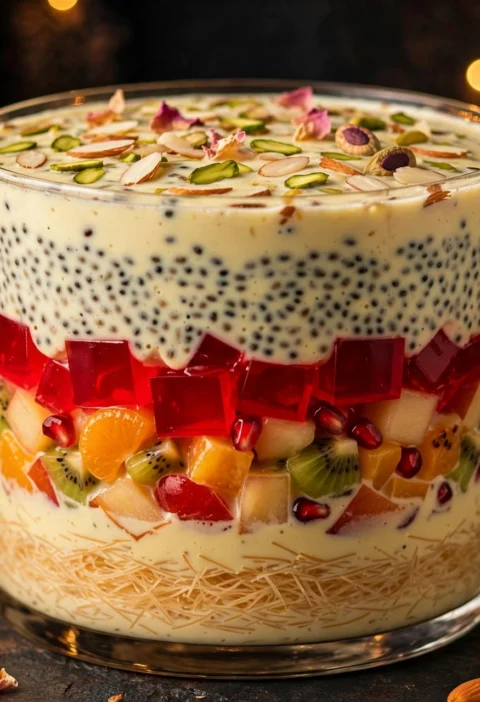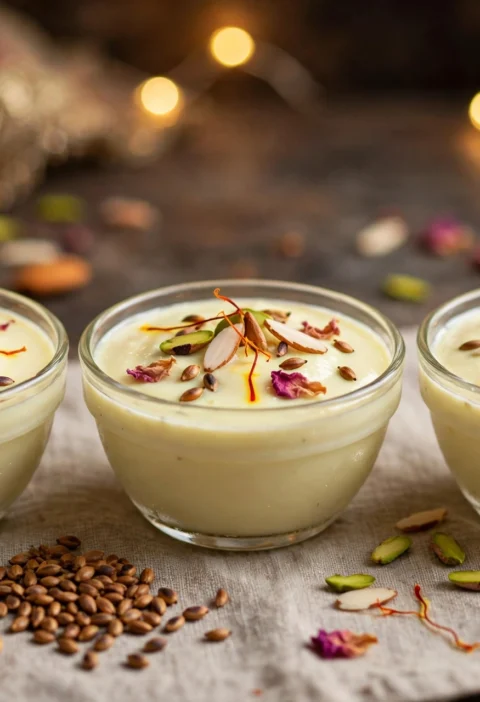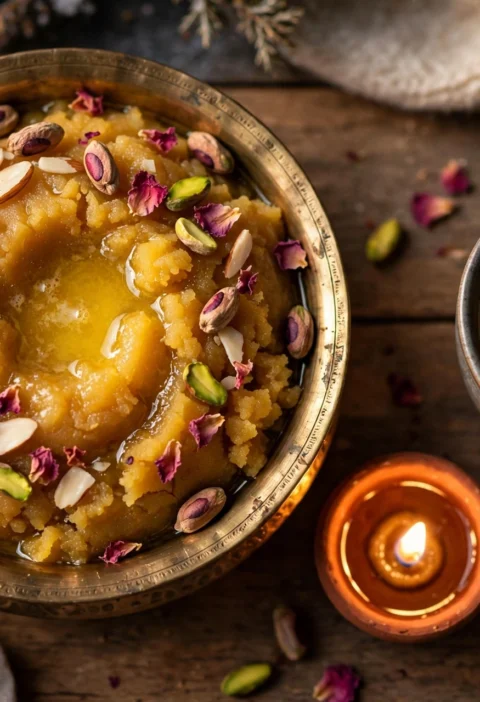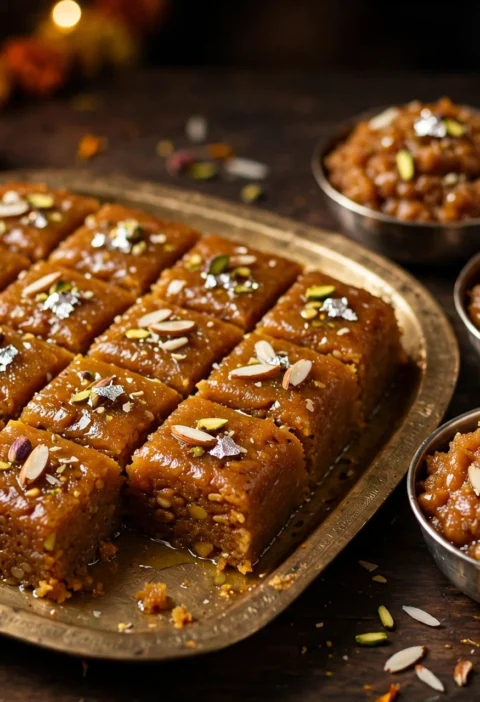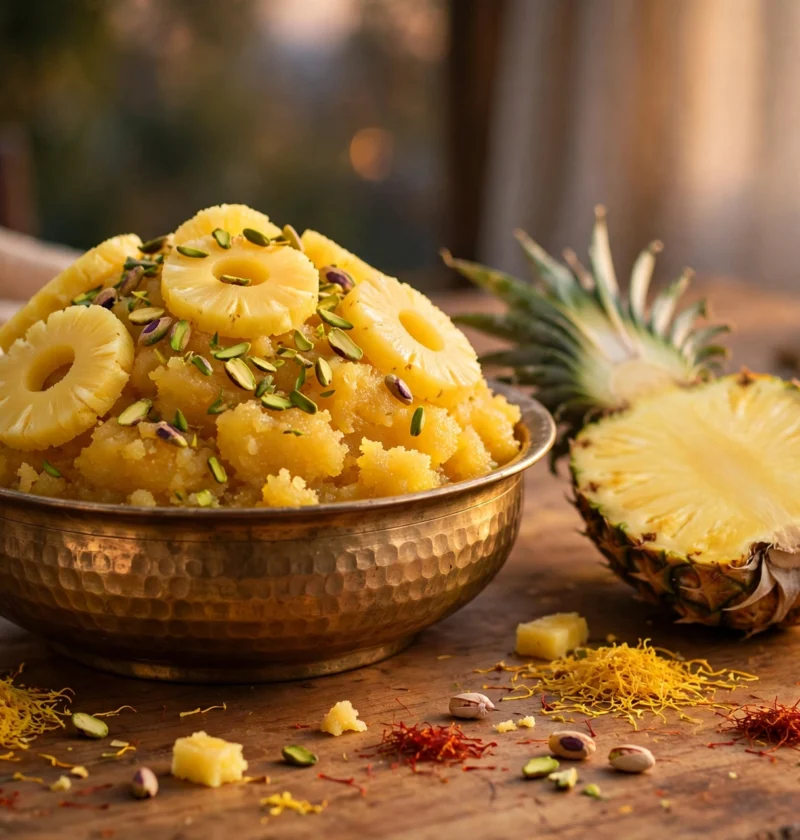
I still remember the first time I tasted pineapple halwa. It was at a cousin’s wedding dinner in Lahore, sitting on a dessert table loaded with the usual gulab jamun and kheer. I almost walked past it. Pineapple in halwa? It sounded like one of those fusion experiments that sounds clever and tastes confusing. But one spoonful stopped me mid-step. It was warm, buttery, and golden, with little jewels of caramelized pineapple melting into the soft semolina, and a tang that cut the sweetness just enough to earn a second helping. This pineapple halwa recipe is my attempt to recreate that exact spoonful at home, and after many batches, I can honestly say this version is the one I keep coming back to.
What I love most is how familiar and surprising it feels at the same time. If you have made suji ka halwa before, the method will feel like home: roast the semolina in ghee, simmer it with sweetened liquid, and finish it with nuts and cardamom. The pineapple simply takes that beloved base and gives it sunshine. This pineapple halwa recipe is a wonderful choice when you want something a little more special than everyday halwa but do not want to spend hours in the kitchen. It comes together in about thirty minutes, uses one pan, and fills the whole house with the smell of toasted semolina, warm ghee, and tropical fruit.
Why This Pineapple Halwa Recipe Works
- The pineapple is cooked down first. Raw pineapple can make halwa watery and sharp. Here we sauté the crushed pineapple with a little sugar until it turns jammy and golden, so the sweetness deepens and this pineapple halwa recipe stays thick and spoonable instead of loose.
- The semolina is roasted properly. We toast the suji in ghee over medium-low heat until it smells nutty and turns pale golden. That single step is what separates a grainy, pasty halwa from one that is soft, fluffy, and fragrant.
- The liquid ratio is tested. Too much water and you get porridge; too little and the halwa turns stiff. This pineapple halwa recipe uses a measured balance of pineapple juice and water so the halwa sets soft and glossy every single time.
- Cardamom and saffron do the perfuming. A pinch of saffron soaked in warm milk and freshly crushed cardamom lift this pineapple halwa recipe’s tropical sweetness into something that tastes like a celebration, not just a fruit dessert.
- It works warm, at room temperature, and chilled. Most halwas demand to be eaten hot. This one is genuinely good in all three states, which makes it a rare cook-ahead dessert for guests.
Ingredients
Everything here is easy to find, and you probably have most of it in your pantry already. The one thing I would not skip is real ghee. Butter works in a pinch, but ghee gives halwa its signature nutty richness. If you are using canned pineapple, choose crushed pineapple in juice rather than syrup, and drain it well before cooking.
- 1 cup fine semolina (suji)
- 1/2 cup ghee, plus 1 tablespoon extra for the pan
- 1 1/2 cups crushed pineapple, drained (fresh or canned)
- 1/2 cup pineapple juice (from the can or fresh)
- 1 1/2 cups water
- 3/4 cup sugar, plus 2 tablespoons for cooking the pineapple
- 1/4 teaspoon saffron strands, steeped in 2 tablespoons of warm milk
- 1/2 teaspoon green cardamom, freshly crushed
- 2 tablespoons chopped pistachios
- 2 tablespoons chopped cashews
- 1 tablespoon golden raisins
- A pinch of salt
- Fresh pineapple rings and mint leaves, to garnish
A quick note on the semolina: fine suji gives a smoother halwa, while coarse suji gives a grainier, more rustic texture. Both are delicious, so use whichever you have. If your pineapple is very tart, add the extra two tablespoons of sugar while cooking it down; if it is very ripe and sweet, reduce the sugar in the halwa itself by a tablespoon or two.
Method
Step 1: Cook the pineapple down until jammy
Heat 1 tablespoon of ghee in a heavy-bottomed pan or kadhai over medium heat. Add the drained crushed pineapple and 2 tablespoons of sugar, and cook, stirring often, for 6 to 8 minutes. You want the pineapple to darken slightly, lose its raw edge, and turn thick and glossy, almost like a loose jam. Dragged with a spoon, it should leave a trail that holds for a second. This step is the heart of this pineapple halwa recipe. If you skip it and add raw pineapple straight to the semolina, the halwa will taste sharp and refuse to set. Once the pineapple is jammy, tip it into a small bowl and set it aside.
Step 2: Roast the semolina in ghee
Melt the remaining 1/2 cup of ghee in the same pan over medium-low heat. Add the semolina and roast it patiently, stirring constantly, for 8 to 10 minutes. At first it will look pale and dusty, then it will slowly turn light golden and release a warm, nutty aroma. Do not rush this step or raise the heat to hurry it along. Semolina goes from golden to burnt in seconds, and burnt suji will ruin the whole batch. Trust your nose more than your eyes: the moment it smells like toasted nuts, it is done. Stir in the cashews and raisins for the last minute.
Step 3: Simmer the pineapple liquid
While the semolina roasts, bring the pineapple juice, water, and 3/4 cup of sugar to a gentle boil in a separate saucepan. Stir until the sugar dissolves, then add the saffron milk, the cardamom, and a pinch of salt. Keep this liquid hot. The reason we heat the liquid separately for this pineapple halwa recipe is simple: pouring cold liquid into hot roasted semolina causes lumps and splattering. Hot liquid meets hot semolina, and the two become friends immediately.
Step 4: Combine and cook until glossy
Turn the heat under the semolina down to low. Very carefully, pour the hot pineapple liquid into the pan in a slow, steady stream, stirring the whole time. It will bubble and hiss at first, so keep stirring and keep your hand back. Once all the liquid is in, add the cooked pineapple and stir everything together. Now cook this pineapple halwa recipe on low heat for 4 to 5 minutes, stirring often, until the halwa thickens, turns glossy, and starts to pull away from the sides of the pan. You will see the ghee begin to glisten at the edges, which is the classic sign that this pineapple halwa recipe is ready. The texture should be soft and spoonable, not stiff. If it feels too thick, splash in a tablespoon or two of hot water and stir it in.
Step 5: Let it rest, then serve
Lift the pan off the burner, put the lid on, and leave the halwa undisturbed for 5 minutes. This short rest lets the semolina finish absorbing the liquid and firms the halwa enough to hold its shape. Spoon it into a bowl and garnish with pistachios, fresh pineapple rings, and mint leaves. This pineapple halwa recipe is at its absolute best served warm, when the ghee is still fragrant and the pineapple pieces are soft and warm. But do not worry if it cools down before serving. It is lovely at room temperature too.
Serving Suggestions for This Pineapple Halwa Recipe
At our house, pineapple halwa rarely needs a partner. A small warm bowl of this pineapple halwa recipe after dinner, with a cup of doodh patti or masala chai, is honestly enough. For guests, a few pairings work beautifully. A scoop of vanilla ice cream next to warm halwa never fails: the cold cream melts into the warm semolina like a pudding-sundae hybrid. Serve it alongside gajar ka halwa at a family gathering or dawat, so guests can compare the two and argue, lovingly, about which one is better.
For a festive presentation, press the warm halwa into small greased bowls or ramekins, let it set for ten minutes, then turn each one out onto a plate like a little golden dome. Top each dome with a pineapple ring, pistachio slivers, and a mint leaf. It looks like something from a restaurant, but it took you no extra effort at all. It also packs well for a potluck in a shallow steel dabba lined with parchment.
Storage and Reheating
Let the halwa cool completely before storing it. Transfer it to an airtight container and keep it in the refrigerator for up to 4 days. It will firm up in the cold, which is completely normal. To reheat this pineapple halwa recipe, sprinkle a tablespoon of water or milk over a portion, cover it, and warm it gently in a pan over low heat or in the microwave in 30-second bursts, stirring between each one. The water loosens the semolina and brings back that soft, glossy texture. Reheat only what you need so the rest stays fresh.
For longer storage, you can freeze this pineapple halwa recipe for up to one month. Portion it into small freezer-safe containers, press a piece of cling film directly onto the surface to prevent freezer burn, and seal the lid. Thaw it overnight in the refrigerator, then reheat as described above. The texture after freezing is a touch softer, but the flavor holds up.
Pineapple Halwa Recipe FAQs
Can I use fresh pineapple instead of canned?
Absolutely, and fresh pineapple gives the brightest flavor for this pineapple halwa recipe. Peel and core a ripe pineapple, chop it finely or pulse it briefly in a blender until crushed, and drain off the excess juice. You will need about 1 1/2 cups of crushed fruit. Keep the drained juice and use it as part of the 1/2 cup of pineapple juice in the recipe. Cook the fresh pineapple down for the full 6 to 8 minutes, since raw pineapple is more acidic and watery than canned.
Why did my halwa turn out lumpy?
Lumps almost always come from pouring cold or lukewarm liquid into hot roasted semolina, or from adding the liquid all at once without stirring. Keep your pineapple liquid hot, pour it in a slow stream, and stir continuously. If lumps do appear in this pineapple halwa recipe, do not panic. Keep cooking on low heat and stir vigorously with a whisk for a minute or two; most small lumps will dissolve.
Can I make this pineapple halwa recipe vegan?
Yes, this pineapple halwa recipe goes vegan with two easy swaps. Replace the ghee with a neutral-flavored coconut oil or a good vegan butter, and swap the saffron milk for saffron soaked in warm oat milk or water. Coconut oil adds a faint tropical note that suits the pineapple well, and the texture stays soft and glossy.
Is pineapple halwa good for parties?
This pineapple halwa recipe is one of the best party desserts I know, precisely because it is so forgiving. You can make it a day ahead, keep it in the refrigerator, and reheat it gently just before serving. It scales up easily: double every ingredient and use a wider pan so the semolina roasts evenly. Serve it in small bowls rather than one big dish; guests love having their own portion. If you are already making suji ka halwa for the same event, this pineapple version gives the table a second, sunnier option without doubling your workload.
Recipe Summary
This pineapple halwa recipe takes the comfort of classic suji halwa and gives it a tropical twist: crushed pineapple cooked down to a jam, semolina roasted golden in ghee, and a saffron-cardamom liquid that brings everything together into a soft, glossy, golden dessert in about 30 minutes. It serves 4 to 6, keeps well for days, and tastes just as good warm, at room temperature, or reheated. If you have never tried pineapple in halwa, this is the batch to start with. Make it once, and I have a feeling it will become a regular in your dessert lineup, just as it has in mine.
Before you go, a little food background for the curious: the pineapple is a tropical fruit that traveled from South America around the world and became a symbol of hospitality in many cultures, while halva is a family of dense, sweet confections enjoyed across South Asia, the Middle East, and beyond. Bringing the two together in one pan feels like a small celebration of both traditions, and that is exactly what this pineapple halwa recipe tastes like.