The bananas nobody wanted were always my favourite kind. In our house, the moment a bunch went leopard-spotted and too soft for the fruit bowl, my mother would sigh theatrically, announce them ruined, and then — every single time — reach for the atta tin. Rainy afternoons were made for this: thunder grumbling over the rooftops, wet laundry sulking on the line, and a karahi of oil heating while we children argued in advance over who deserved the first batch. This gulgula recipe is the one she fried from those rescued bananas, measured out for me years later over the phone, one remembered spoonful at a time.
A gulgula — most of us say gulgule, plural, the way you would talk about a crowd of small friends — is a round, spoon-dropped fritter built on a batter of whole wheat flour and thoroughly mashed ripe banana. Jaggery sweetens it, crushed fennel and cardamom perfume it, and hot oil does the rest, puffing each spoonful into a cakey little ball with a mahogany crust and a tender, banana-honeyed centre. In Pakistani homes these belong to two seasons at once: the monsoon, when the rain demands something hot and sweet beside the chai, and Ramadan, when they appear at iftar in a friendly heap near the pakoras. This is the gulgula recipe I now make whenever bananas ripen faster than my family can eat them, which is often.
Why This Gulgula Recipe Works
Banana fritters sound too simple to fail, yet dense, greasy, or scorched gulgule disappoint somebody every monsoon. This gulgula recipe stands on five small decisions that quietly prevent all three:
- The bananas are past eating, and that is the point. Fruit so ripe its peel has gone mostly black is doing real work here — its sugars have concentrated, its flesh has softened almost to sauce, and it sweetens, moistens and binds the batter so completely that no egg is ever missed.
- The batter rests, and the soda goes in last. Thirty minutes on the counter lets the atta drink the milk and lose its raw, floury taste. The baking soda is folded through only when the oil is nearly hot, so its lift is spent in the pan, puffing the fritters, instead of fizzing away in the bowl.
- The consistency is judged at the spoon. The batter should mound softly and slide off a lifted spoon in one slow, heavy blob. Runny batter spreads into flat, oily discs; stiff batter fries into doughy marbles with gummy hearts.
- The oil holds a patient 350°F. Banana and jaggery caramelise eagerly — give them a fiercely hot pan and the outsides char while the middles stay raw. Let the oil sulk too cool and the same fritters come out pale and saturated, heavy as wet sponges.
- A pinch of salt hides inside the sweetness. It sharpens everything around it: the banana tastes fruitier, the jaggery deeper, the cardamom louder. Leave it out and the gulgule are merely sweet; keep it in and they taste finished.
Ingredients
Nothing here requires a special shopping trip. The lead ingredient is the banana, and it must be the sort a greengrocer apologises for — peel freckled nearly black, flesh yielding to the back of a spoon. Inside a fritter batter, fruit at that stage works three jobs at once, which is why this gulgula recipe stays short. Jaggery brings a mineral, almost smoky sweetness that white sugar flattens; if your block is rock-hard, grate it on the coarse side of the box grater and it will melt into the mash happily. Fennel and cardamom are not decoration in this gulgula recipe — gulgule without that warm, green perfume taste as though something has been forgotten.
Makes about 24 gulgule (serves 6)
For the batter:
- 2 large very ripe bananas, peeled (about 1 cup, mashed)
- 1 1/2 cups whole wheat flour (atta)
- 1/2 cup grated jaggery, packed (or dark brown sugar)
- 1/2 cup milk, added a splash at a time
- 1 teaspoon fennel seeds, lightly crushed between your palms
- 1/2 teaspoon ground cardamom
- 1/4 teaspoon fine salt
- 2 tablespoons desiccated coconut (optional, but lovely)
- 1/4 teaspoon baking soda, stirred in just before frying
For frying and serving:
- About 2 cups neutral oil or ghee, for deep-frying
- Powdered sugar, for dusting over the warm fritters (optional)
- Crushed pistachio or extra fennel seeds, to scatter (optional)
How to Make This Gulgula Recipe – Step by Step
Step 1: Mash the bananas until they slump, then melt the jaggery into them. Drop the peeled bananas into a wide mixing bowl and attack them with a fork — or clean hands, which is faster and more satisfying — until you have a thick, glossy puree with no firm lumps left. A few soft streaks are welcome; banana bread-style chunks are not, because they scorch where they poke out of the batter. Tip in the grated jaggery, stir it through, and leave the bowl alone for about 10 minutes, stirring twice in between. The banana’s own moisture will dissolve the jaggery into a dark, fragrant syrup.
Step 2: Build the batter and give it its rest. Shower the flour over the banana mixture, add the fennel, cardamom, salt and coconut, and stir with a wooden spoon while you drizzle in the milk a little at a time. Stop the moment the batter turns thick and slow — it should fall from the spoon in a single reluctant dollop and hold a soft peak for a few seconds. Depending on how ripe the bananas were, you may not need every drop of milk. Cover the bowl with a plate and rest the batter for 30 minutes at room temperature; this pause is what keeps the centres tender instead of bready.
Step 3: Heat the oil and test it with one brave drop. Pour the oil into a karahi or a deep, heavy pan to a depth of about 2 inches and set it over medium heat until a thermometer reads 350°F. No thermometer? Let a pea-sized bit of batter slip in: it should sink a fraction, gather itself, then bob to the surface fizzing busily and colour only gradually. If it browns in seconds, the oil is too hot and the pan needs a minute off the flame; if it lounges at the bottom, give the oil more time. Only now fold the baking soda through the rested batter, gently, until no white streaks remain.
Step 4: Drop small spoonfuls and fry them unhurried. The shaping in this gulgula recipe is deliberately rustic — two teaspoons, one to scoop and one to push, lower neat teaspoon-sized blobs of batter into the oil, six or seven at a time, never a crowd. They will sink, swell, and very often roll themselves over like they are showing off; nudge any lazy ones with a slotted spoon. Fry for 3 to 4 minutes, turning now and then, until every side is a deep, confident gold verging on mahogany. Between batches, let the oil climb back to temperature for half a minute; a falling heat is the whole story behind greasy fritters.
Step 5: Drain, dust, and carry them straight to the table. Lift each batch out with the slotted spoon, hold it over the pan for a breath so the oil can drip home, then tumble the fritters onto a wire rack or a plate lined with kitchen paper. A snowfall of powdered sugar, if you like it, goes on while they are hot and will melt into the cracks in the prettiest way. This gulgula recipe is at its glorious best inside the first fifteen minutes — crisp shell, steamy middle — so call the family before you fry the last batch, not after.
Serving Suggestions
The classic pairing needs no improvement: a plate of gulgule still warm from the oil, a strong milky chai, and rain doing something dramatic outside the window. At iftar they sit happily beside the savoury artillery — pakoras, dahi baray, fruit chaat — and their sweetness lands exactly where a long fast wants it. For guests I sometimes split them warm and add a spoonful of lightly sweetened whipped cream or a small scoop of vanilla ice cream, which turns a humble fritter into a plated dessert without any extra cooking.
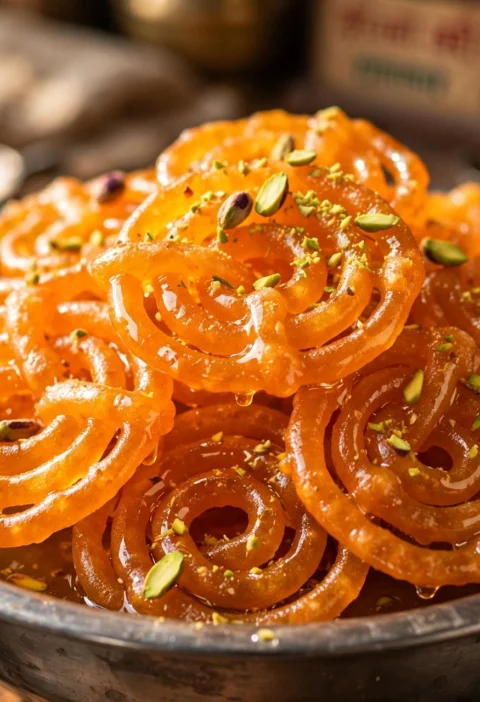
Fried sweets are a family on this site, and the cousins get along. My malpua is the dressed-up relative — thin, lacy pancakes soaked in syrup and served with rabri when the occasion calls for ceremony. My jalebi goes the opposite way, all crisp orange spirals and shattering sugar. The gulgula is the homebody of the three: no syrup to make, no piping bag, nothing between you and the eating except one bowl and a hot pan — which is precisely why it is the one that actually gets made on a wet Tuesday.
Storage and Reheating
Honesty first, because this gulgula recipe deserves it: gulgule are a same-hour food, and no storage method returns them to their just-fried glory. If a few somehow survive, let them cool completely, then tuck them into a lidded tin with a sheet of kitchen paper beneath them; they keep a day on the counter and up to three days chilled, though the crust will soften as the hours pass. For longer keeping, freeze the cooled fritters loose on a tray, then bag them once solid — they hold well for a month.
Reheating is where you win back most of the magic. Spread the fritters on a tray and warm them in a 325°F oven for 6 to 8 minutes, or 3 to 4 minutes in an air fryer at the same temperature, and the shells crisp again while the middles turn steamy and soft. Frozen ones go in straight from the freezer with two extra minutes. The microwave is the one route I argue against: ten seconds of convenience buys you a tough, leathery chew, and these little things deserve better.
Frequently Asked Questions
Why are my gulgule raw and doughy in the middle?
Size and heat, working together, are almost always to blame. Drops bigger than a heaped teaspoon cannot cook through before their outsides finish, and oil running hotter than 350°F races the crust to dark gold while the centre is still wet batter. Keep the spoonfuls small, hold the temperature steady, and sacrifice one fritter from the first batch — tear it open and look. That single test tells you more than any timer, and it is the cook’s traditional fee anyway.
Can I use all-purpose flour instead of atta?
You can use it cup for cup in this gulgula recipe, and the gulgule will still puff and please. What changes is character: atta gives a nuttier flavour, a slightly heartier crumb and that deep golden colour, while plain flour turns out paler, softer fritters that stale faster. My own favourite sits between the two — half atta, half all-purpose — when the tin of one or the other is running low. Add the milk gradually either way, since refined flour drinks a little less of it.
Why did my fritters soak up so much oil?
Greasy gulgule are a thermometer problem wearing a disguise. Oil that has drifted below 325°F cannot seal the surface quickly, so the batter drinks instead of frying, and a batter mixed too thin does the same damage from the other direction. Crowding the pan is the third culprit — every cold spoonful drags the temperature down. Fry fewer at a time, drain the finished ones on a rack rather than a flat plate, and check that your batter still falls in slow dollops before each batch.
Can I bake or air-fry the batter instead of deep-frying?
With a mould, yes; free-form, no — a batter this wet simply puddles. Spoon it into a well-greased mini muffin tin, filling each cup two-thirds full, and bake at 375°F for 12 to 14 minutes until risen and golden; an air fryer handles the same tin in about 10 minutes. The result is a tender little banana cake that eats very pleasantly with chai, though it will not have the shattering crust or the deep fry flavour of the real thing. Think of it as a weekday relative of this gulgula recipe, not a replacement.
Recipe Summary
- Prep time: 15 minutes, plus 30 minutes resting the batter
- Cook time: About 20 minutes
- Total time: Roughly 1 hour 5 minutes
- Servings: 6 (about 24 gulgule)
- Cuisine: Pakistani
- Course: Dessert